Chef's Notes
COOKING SPELT:
Before cooking spelt berries, soak them first in water for 8 hours or overnight at room temperature. This shortens the cooking time. Even if you cook spelt berries more than one hour, you can’t overcook them. The grain will still retain its shape. Just cook them a little bit longer if the spelt is still a little bit tough to your taste. When cooked, the texture of spelt should be chewy (but it’s up to you). Either you like it very soft by cooking it longer or chewier or nuttier by cooking it less.
HOW TO USE SPELT:
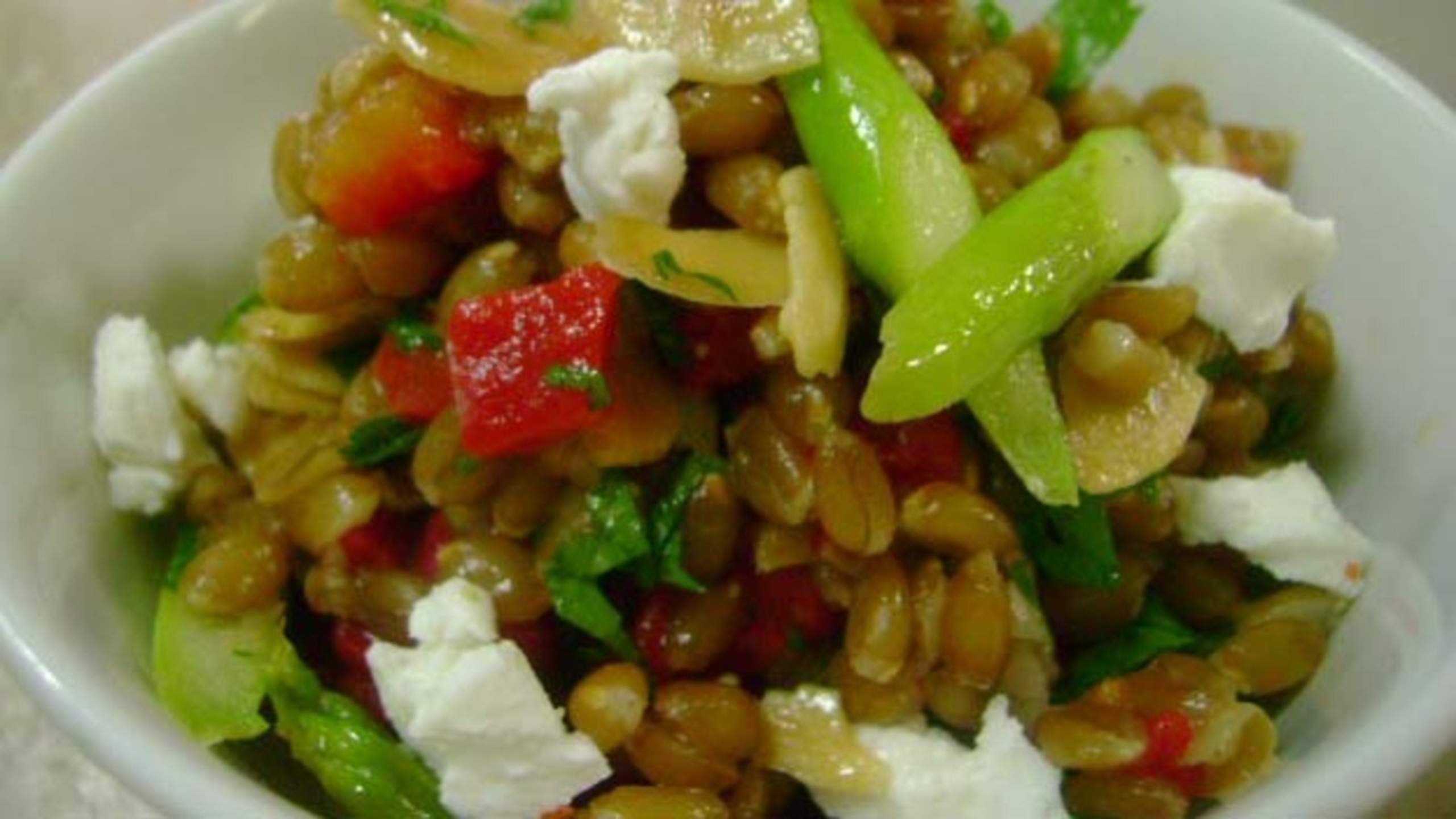
You can use cooked spelt in salads, soups, stews and even cook like a risotto. You can also flavor the spelt with almost other ingredients. You can substitute the bell peppers and asparagus with artichokes and tomatoes or any other vegetable; goat cheese with feta or mild blue cheese; parsley with cilantro, mint, basil or chervil. Spelt can handle any flavor just like with any other grain.
HEALTH NOTES:
Spelt is the only grain that contains a special carbohydrate called mucopolysaccharides which are important in blood clotting and stimulating the immune system. It has a high water solubility, which means that nutrients are easily absorbed by the body.
Spelt is a great source of fiber and has a high amount of B-complex vitamins. Its protein content is up to 25% greater than common wheat.
Although spelt contains gluten, it is tolerated by many people who are sensitive to gluten; however, always listen to you body.
TOASTING ALMONDS:
If you want to protect the delicate fats of the almonds (and other nuts), toast them at 170 degrees Fahrenheit for 15 to 20 minutes. Lower the temperature of the oven first for a few minutes or until it has cooled down while you prepare the other ingredients before toasting the almonds.