Chef's Notes
Brining is optional but it adds tremendous moisture and flavor to the pork.
*Berkshire pork is a what is known as the Kobe beef of pork. It has more flavor, richness and juiciness than regular pork. To read more about Berkshire pork, visit our blog.
- Soft Polenta We used an extra cup of liquid for the polenta, just for a softer texture.
Step 1: Making and Brining the Pork (optional)
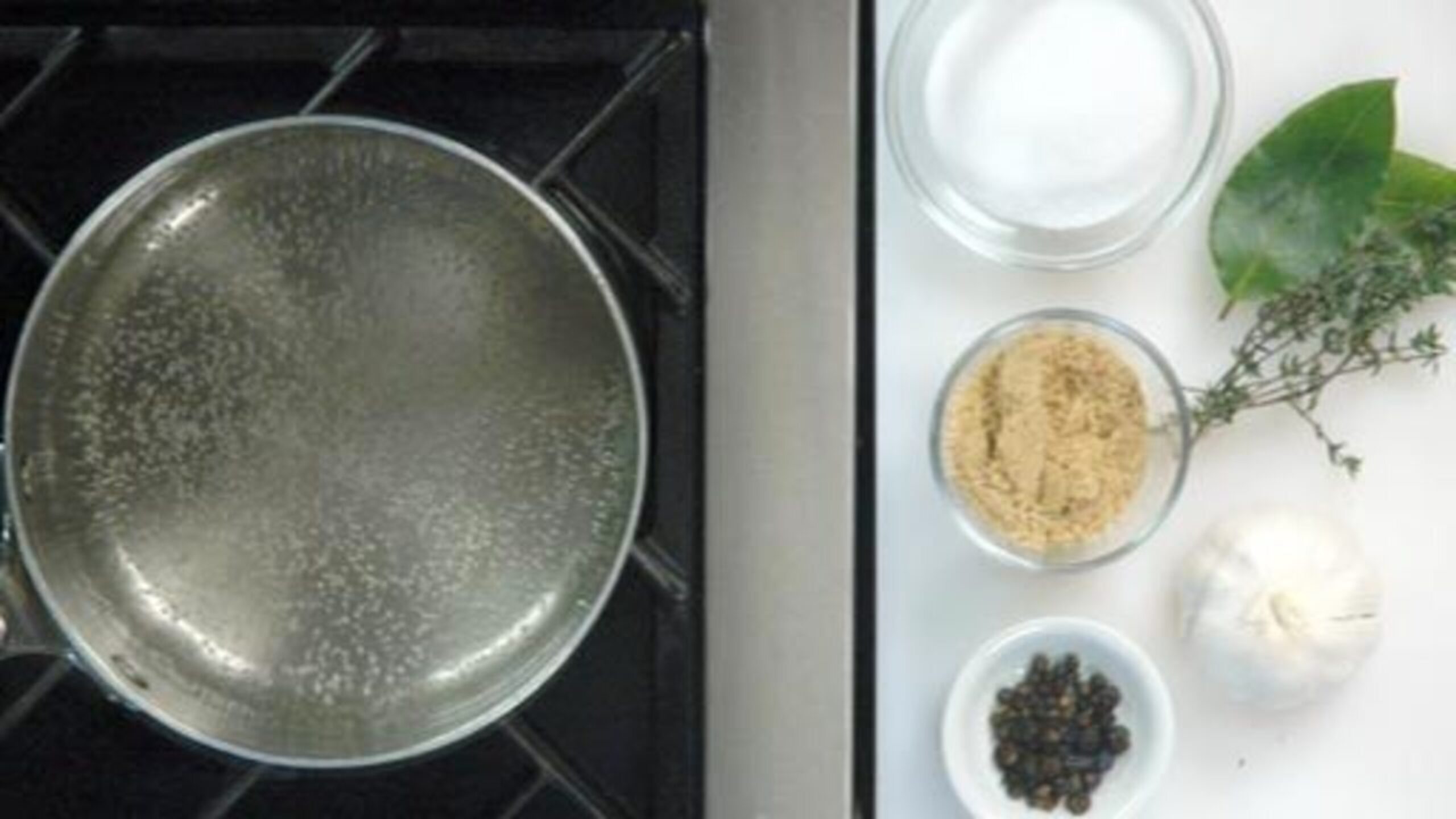
- 4 cups cold water
- 120 g salt (approx. 1/2 cup table salt)
- 1/2 cup brown sugar
- 1 small head garlic
- 4 or 5 sprigs fresh thyme
- 2 bay leaves
- 1 tsp whole black peppercorns
- 8 cups VERY cold water
- 4 cups ice
- 4 rib pork roast, approx. 3 lb (preferably Berkshire pork)*
To make the brine, place 4 cups of water into a pot and bring to a boil. Once boiling, add the salt, sugar, garlic, thyme, bay leaves and peppercorns and then turn the heat down to a simmer.
Once the salt and sugar have fully dissolved, turn off the heat and let the brine steep for at least 10 minutes or so.
Next, pour the brine into a container that is large enough to hold the remaining water and pork. Then add the remaining cold water and ice. The brine must be completely cold before you add the pork.
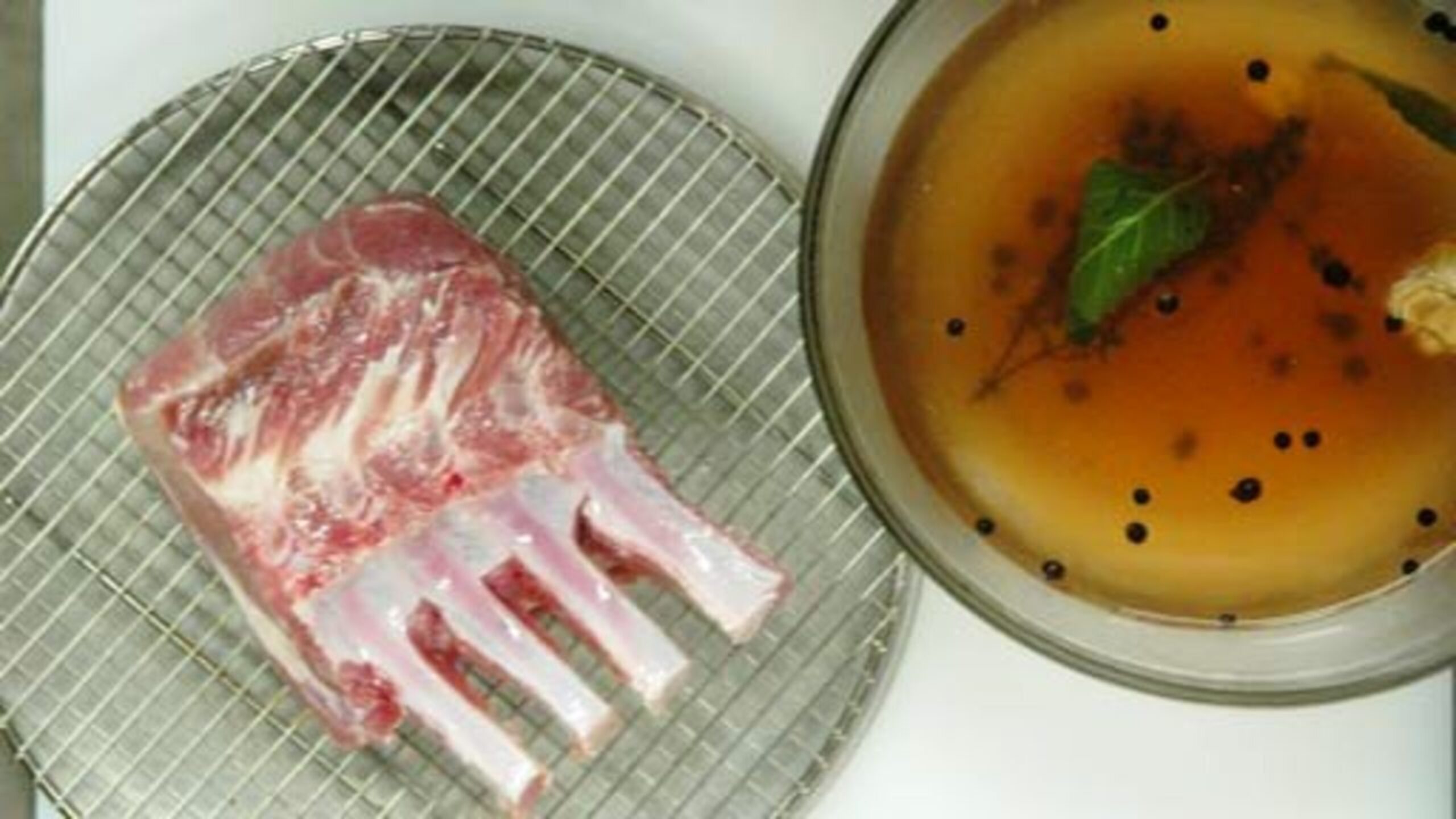
Next, place the pork into the brine and transfer to the refrigerator. Let the pork brine for at least 2 to 3 hours or preferably overnight.
Step 2: Drying the Pork
Once the pork has finished brining, remove it from the brine. Completely dry the pork by patting with paper towels. Place the pork onto a baking tray that is lined with a cooling rack. Discard the brine.
If you have the time and you have planned far enough ahead, you can place the pork into the refrigerator for a few hours to air dry. If the pork is allowed to air dry, you will get a very good sear.
Note: If you don’t have the time, just make sure it is very dry before you begin cooking; otherwise, the meat will steam on the outside rather than get a nice golden crust.
Before you start cooking let the pork rest at room temperature about 30 minutes or so.
Step 3: Preparing the Pork for Cooking
- 2 tbsp grapeseed or vegetable oil
- sea salt (to taste)
- freshly ground black pepper
Preheat the oven to 250°F (120°C). If you are short on time, you can cook the pork at at temperatures up to 350°F; however, slower and lower cooking results in more tender and juicier meat.
To prepare the pork for cooking, first score the thick fat (if there is any), into a criss-cross pattern. Be sure to only score the fat and not deep enough to cut into the meat. Scoring exposes more fat to the heat, which will result in more fat being rendered during the cooking process.
Next, rub the oil all over the pork and season with salt and pepper. Don’t go too heavy on the salt if you have brined the pork.
Step 4: Searing the Pork
- 1 tbsp grapeseed or vegetable oil
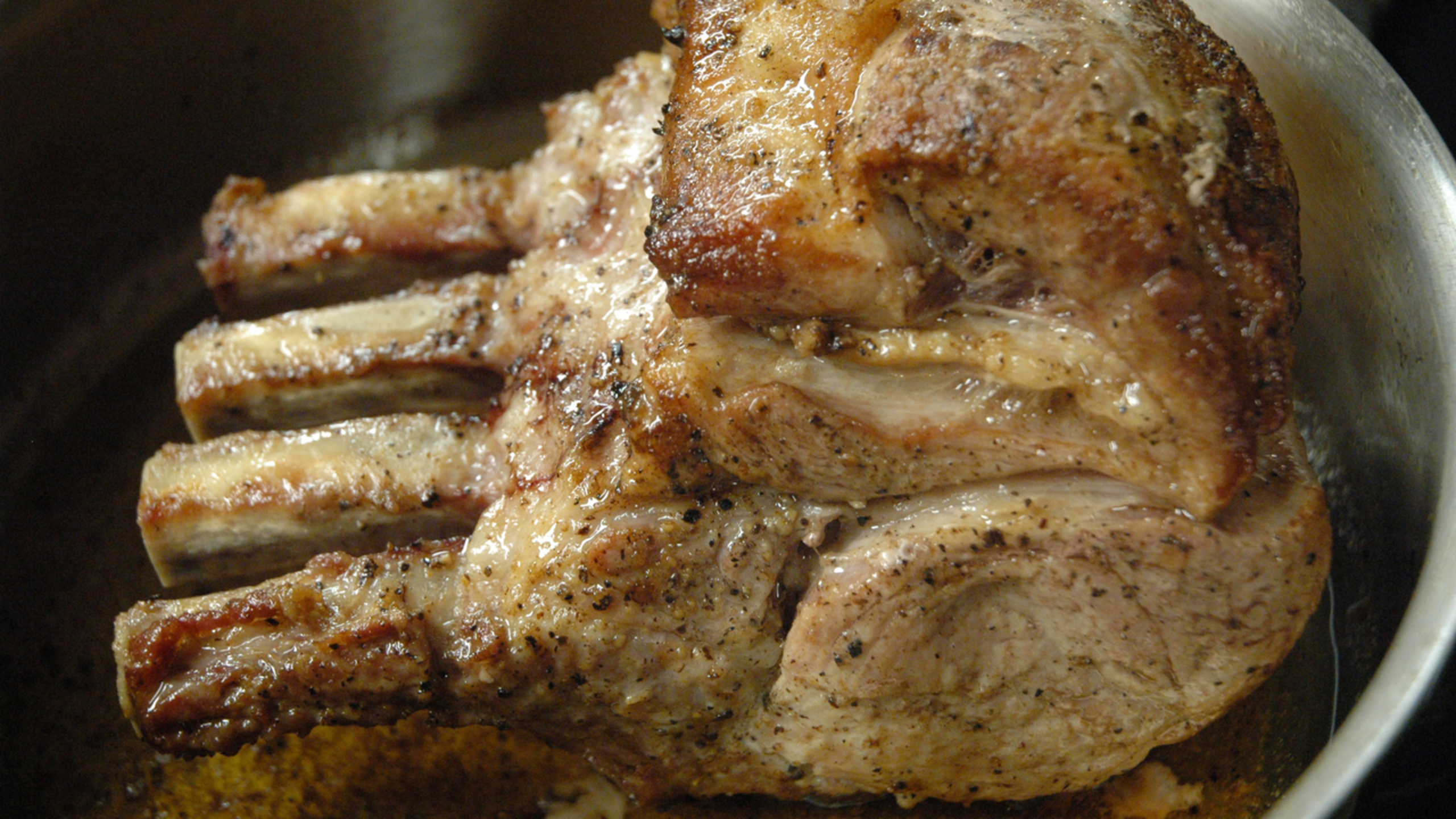
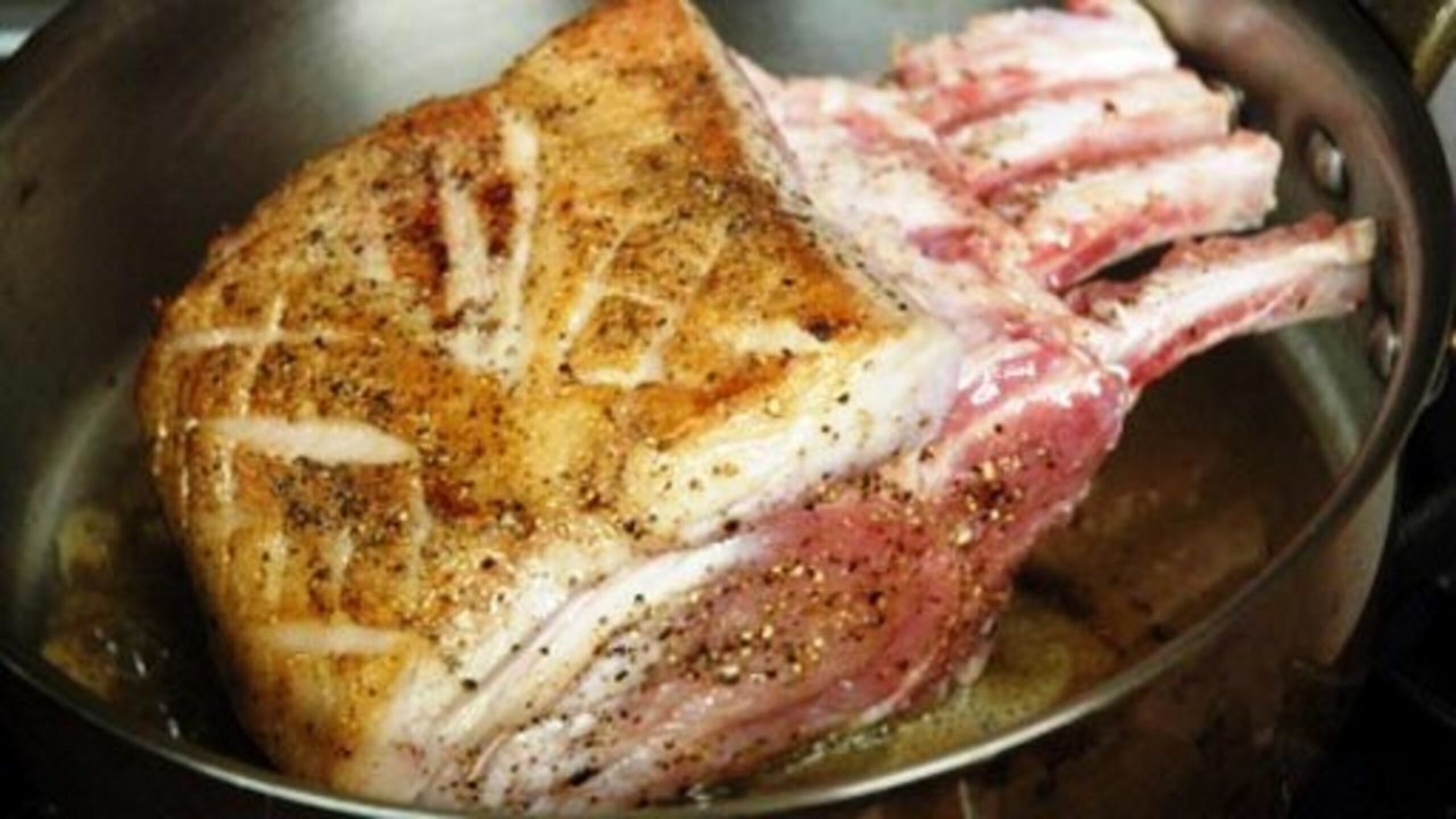
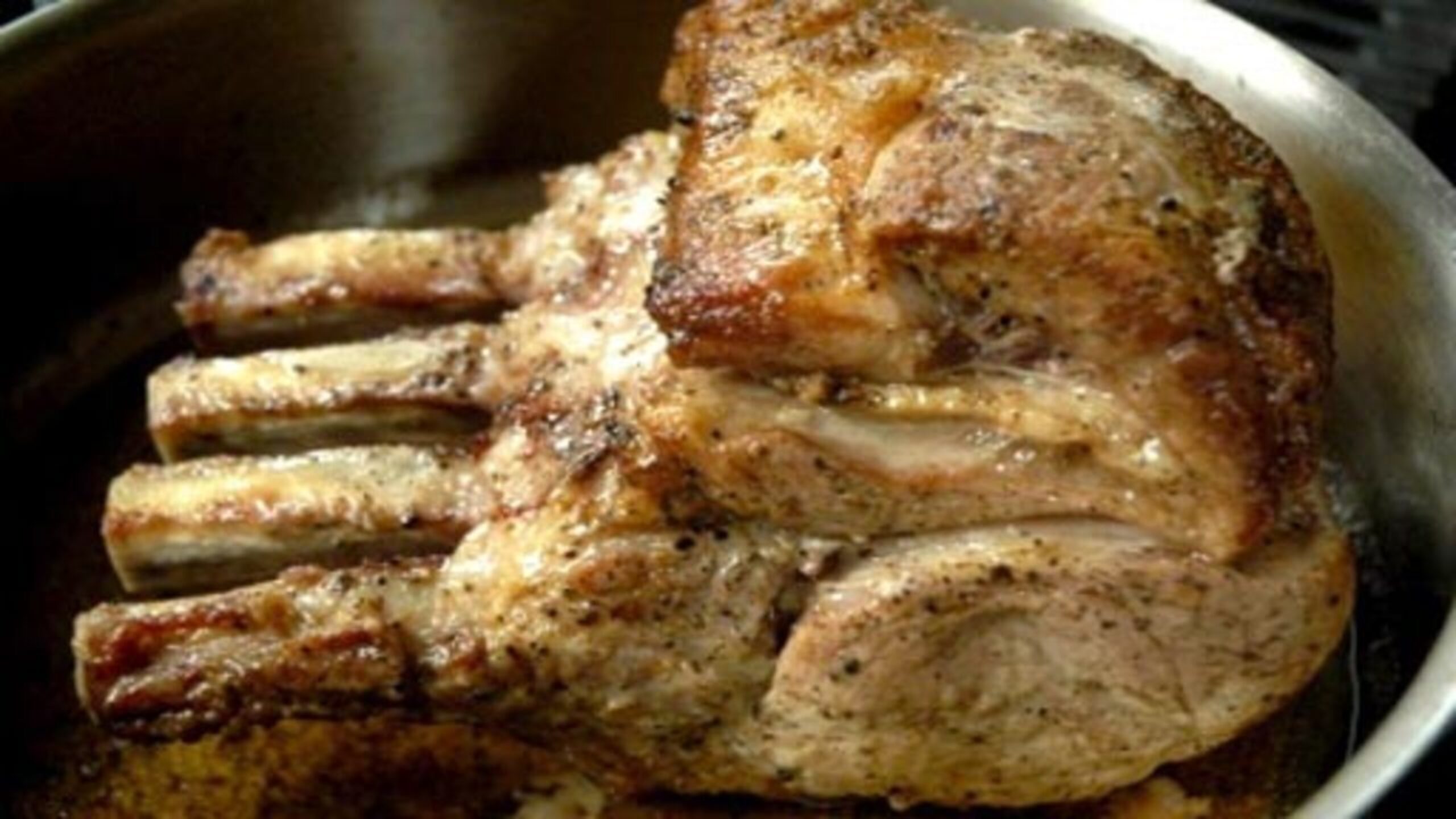
To sear the pork, heat a large heavy-bottomed fry pan over medium-high heat. Once the pan has been properly heated, add the oil followed by the pork. Sear the meat on all sides until golden brown.
Step 5: Roasting the Pork
Place the pork into the oven, uncovered and let cook until the internal temperature reaches 145°F or 62°C, about 1 to 1 hr. 15 mins.
Once done, remove the pork from the pan. Place onto a rack that is resting over a tray. Cover with vented foil and let rest for at least 15 minutes (the internal temp. will increase by at least 5 or 10 degrees).
As the pork is resting, make the sauce. Just remember the handle of the pan will still be very hot.
Step 6: Making the Sauce
- 1 tbsp Calvados, red wine or apple cider vinegar
- 1 cup dark chicken stock (Rouxbe Recipe)**
- sea salt (to taste)
- freshly ground black pepper (to taste)
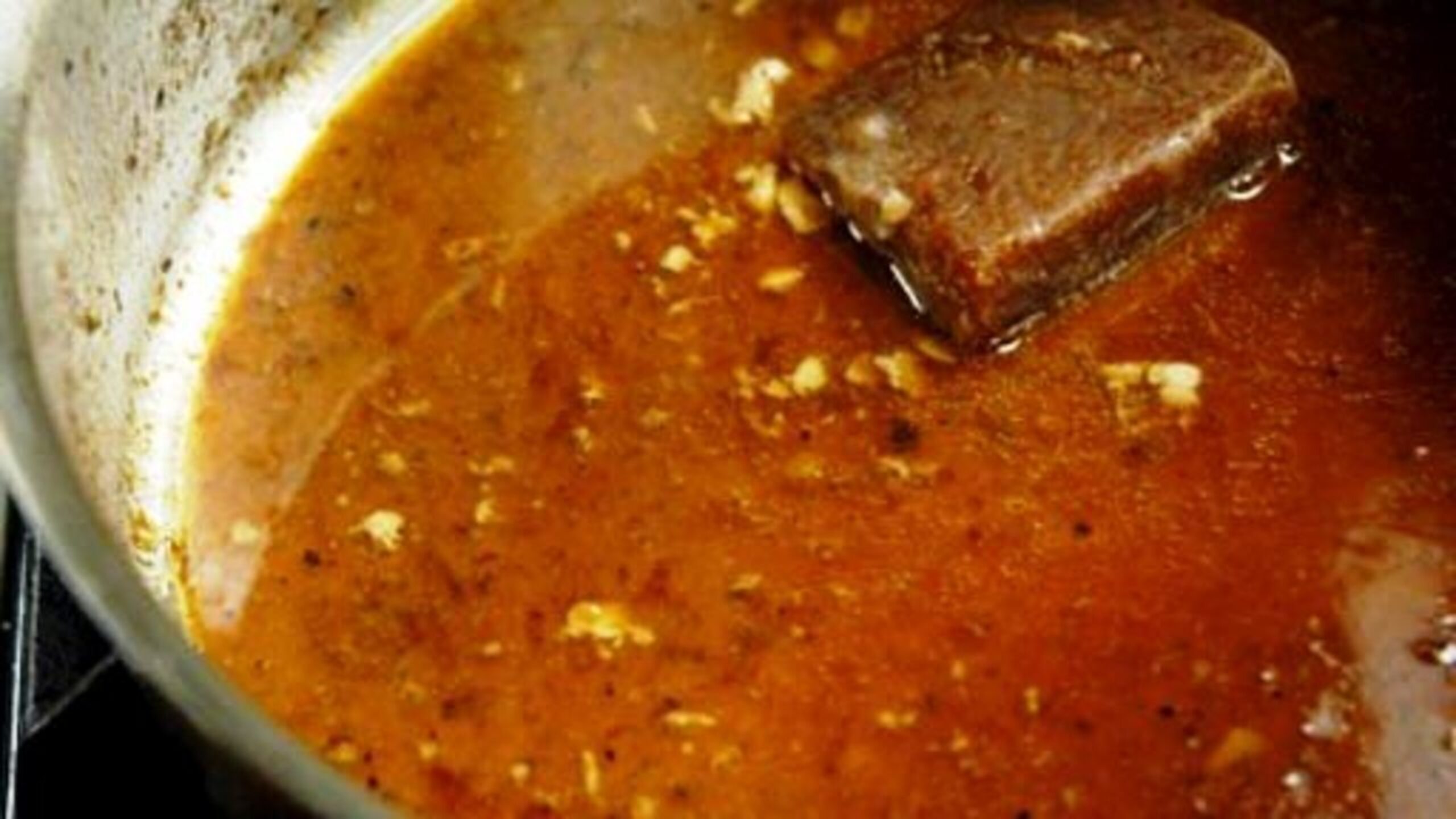
Deglaze the roasting pan with the Calvados, making sure to scrape up any sucs from the bottom of the pan.
Next, add the stock and let reduce until you reach a sauce-like consistency. Taste for seasoning.
Step 7: Serving the Pork
- Soft Polenta (Rouxbe Recipe)***
- Braised Kale (Rouxbe Recipe)****
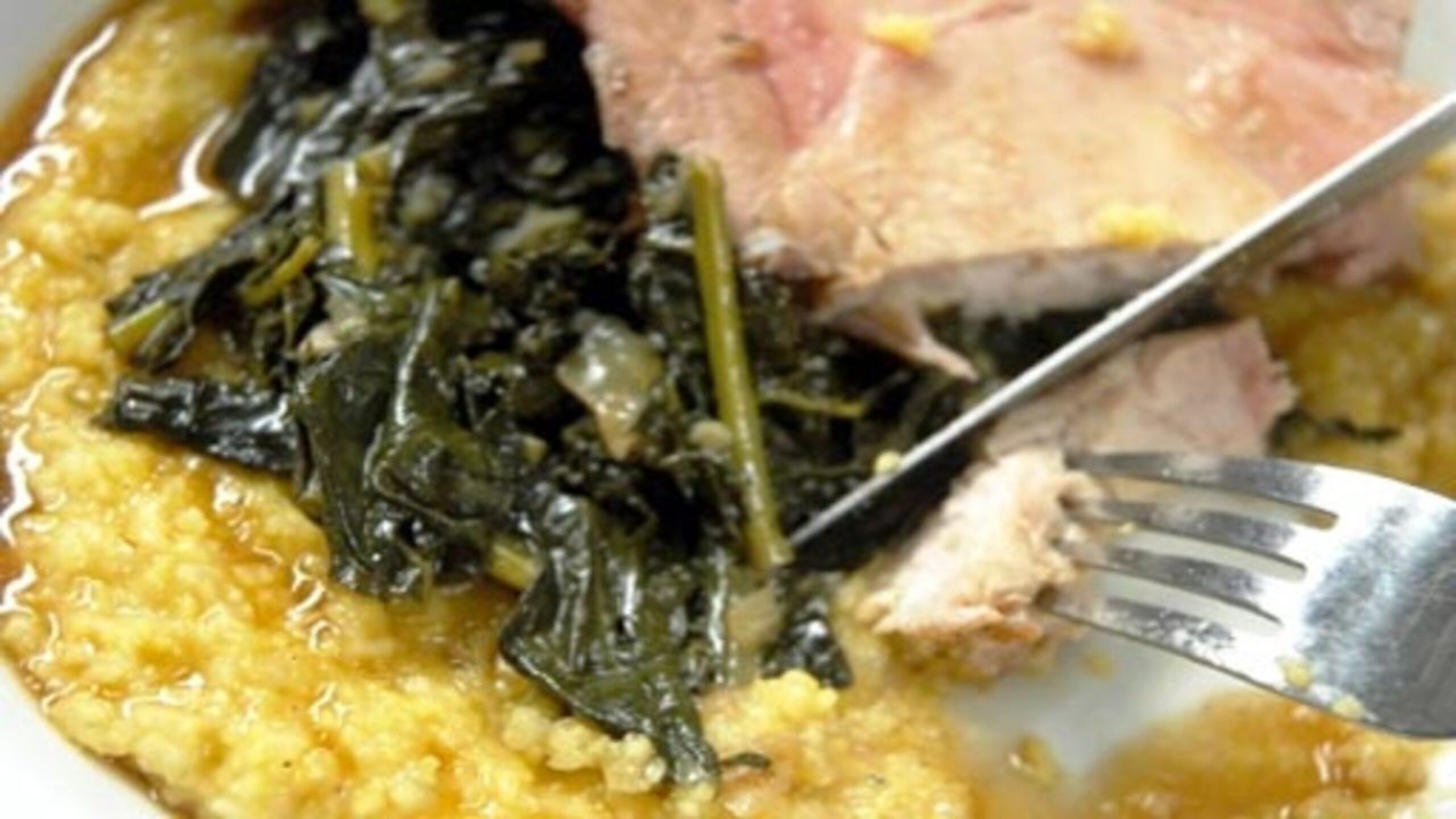
Cut the pork into four chops. Serve with the sauce poured over top.
This pork is particularly delicious with soft polenta and braised kale.