Chef's Notes
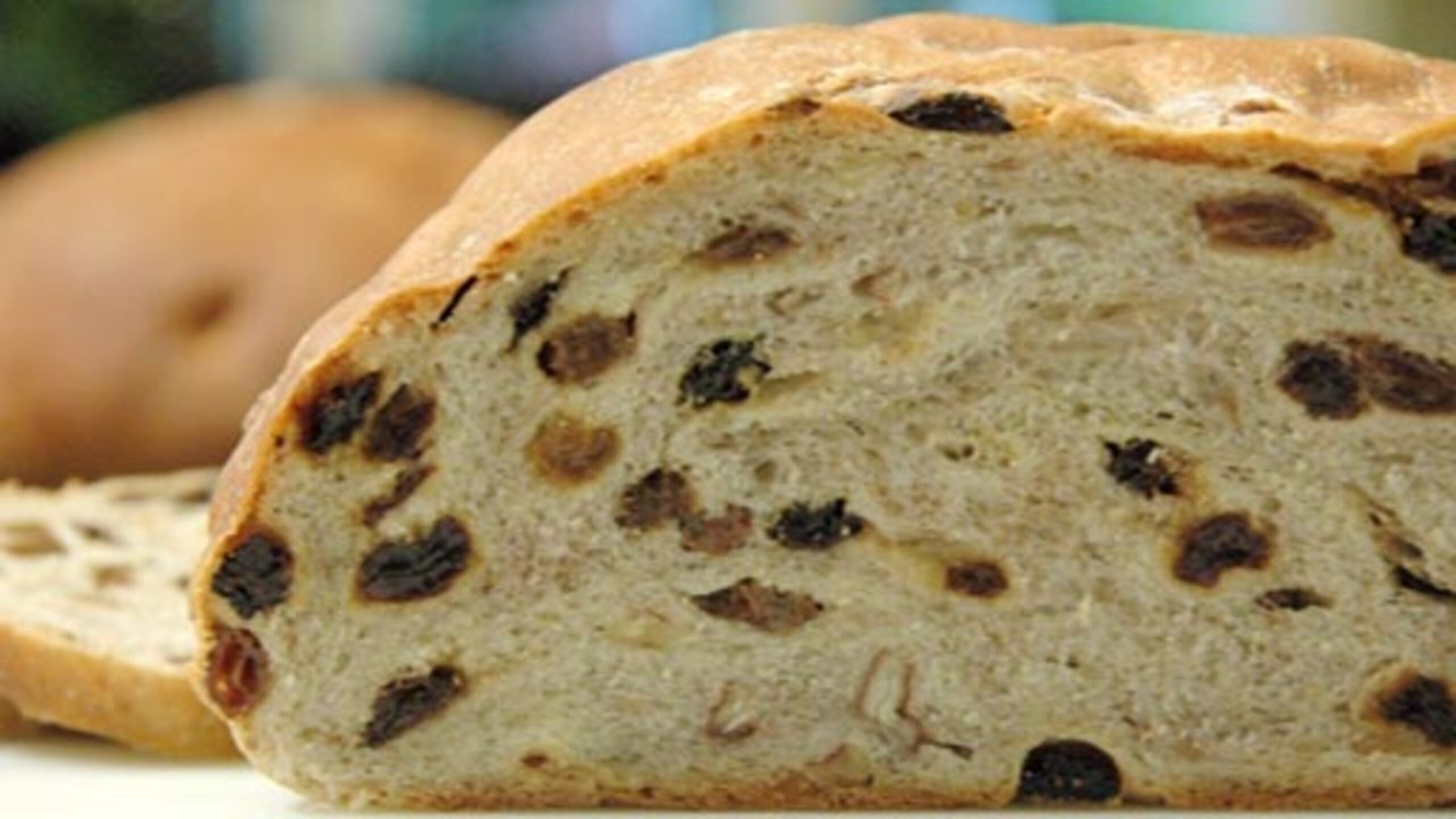
This recipe is adapted from Del Vecchio’s Bakery on Fenwick Island, Delaware.
Step 1: Activating the Yeast
- 2 cups (475 g) warm water, no higher than 110°F (43°C)
- 14 g instant yeast
- 1/4 cup (60 g) vegetable oil
- 2 1/2 tbsp (33 g) sugar
- 1 tbsp (16 g) salt
- 5 cups (725 g) bread flour
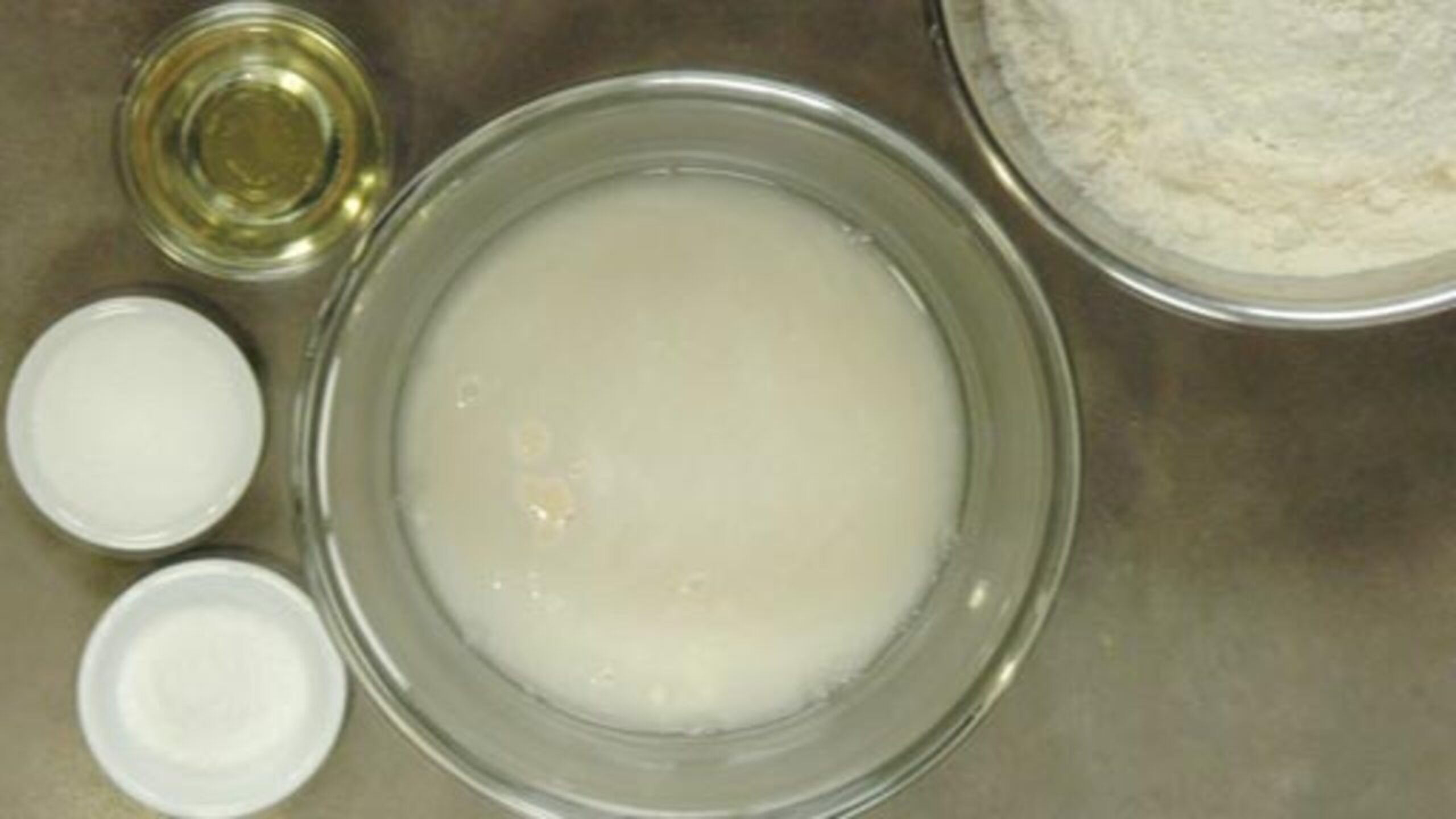
Place the water into a large bowl and sprinkle the yeast over top. Let sit for a minute or so without stirring. Once the yeast has dissolved, stir to combine. Let sit for about 10 minutes.
Meanwhile, gather the oil, sugar, salt and flour.
Note: 14 g instant yeast = 18 g active dry yeast = 42 g fresh yeast
Step 2: Preparing the Rest of the Mise en Place
- 1/4 cup (packed) (45 g) brown sugar
- 2 tsp (5 g) ground cinnamon (optional)
- 1/2 cup (60 g) chopped pecans
- 1/2 cup (60 g) chopped walnuts
- 2 cups (320 g) raisins
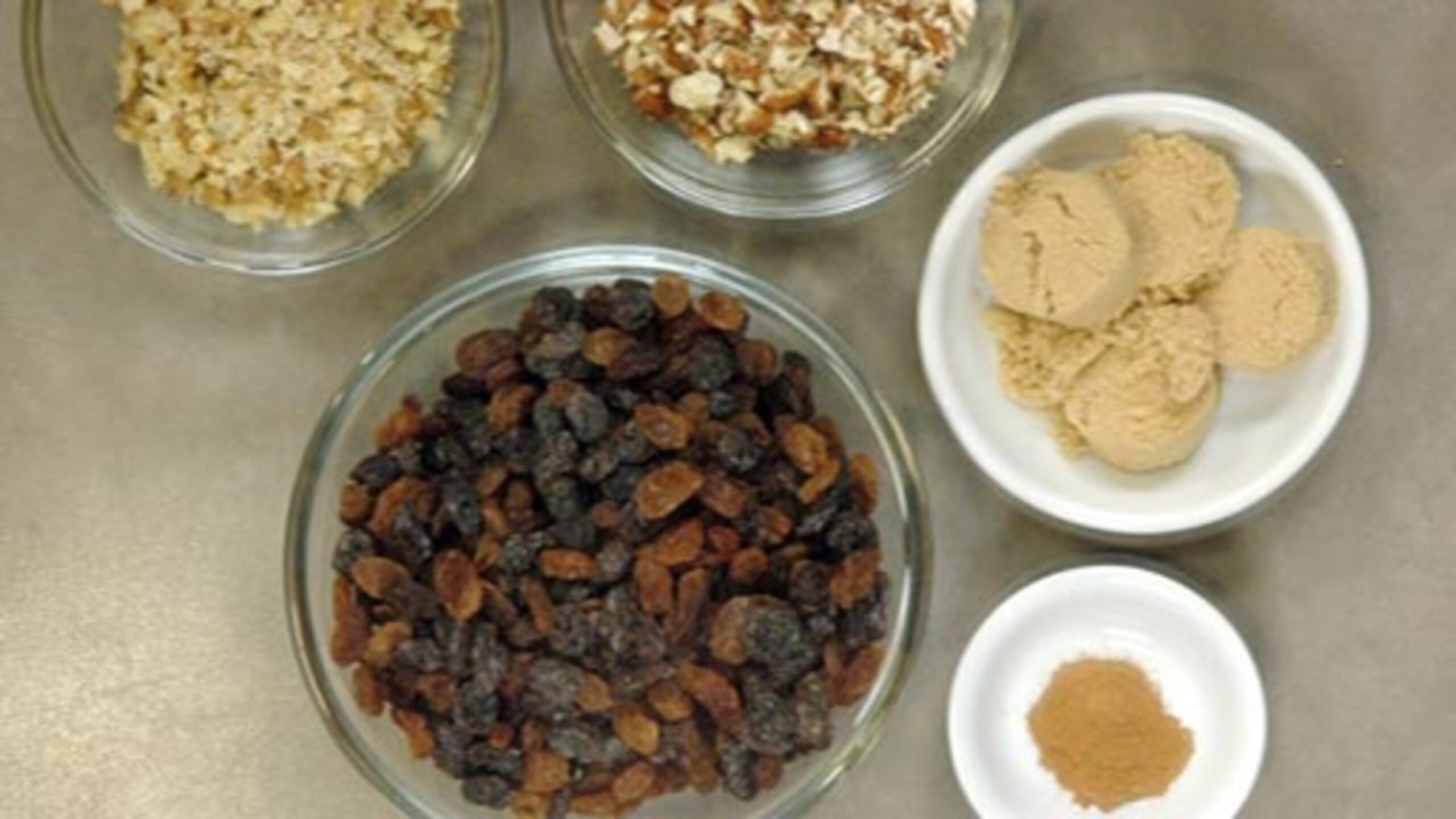
To prepare the rest of your mise en place, roughly chop the nuts and gather the raisins, brown sugar and cinnamon. Set everything aside.
Step 3: Mixing the Dough
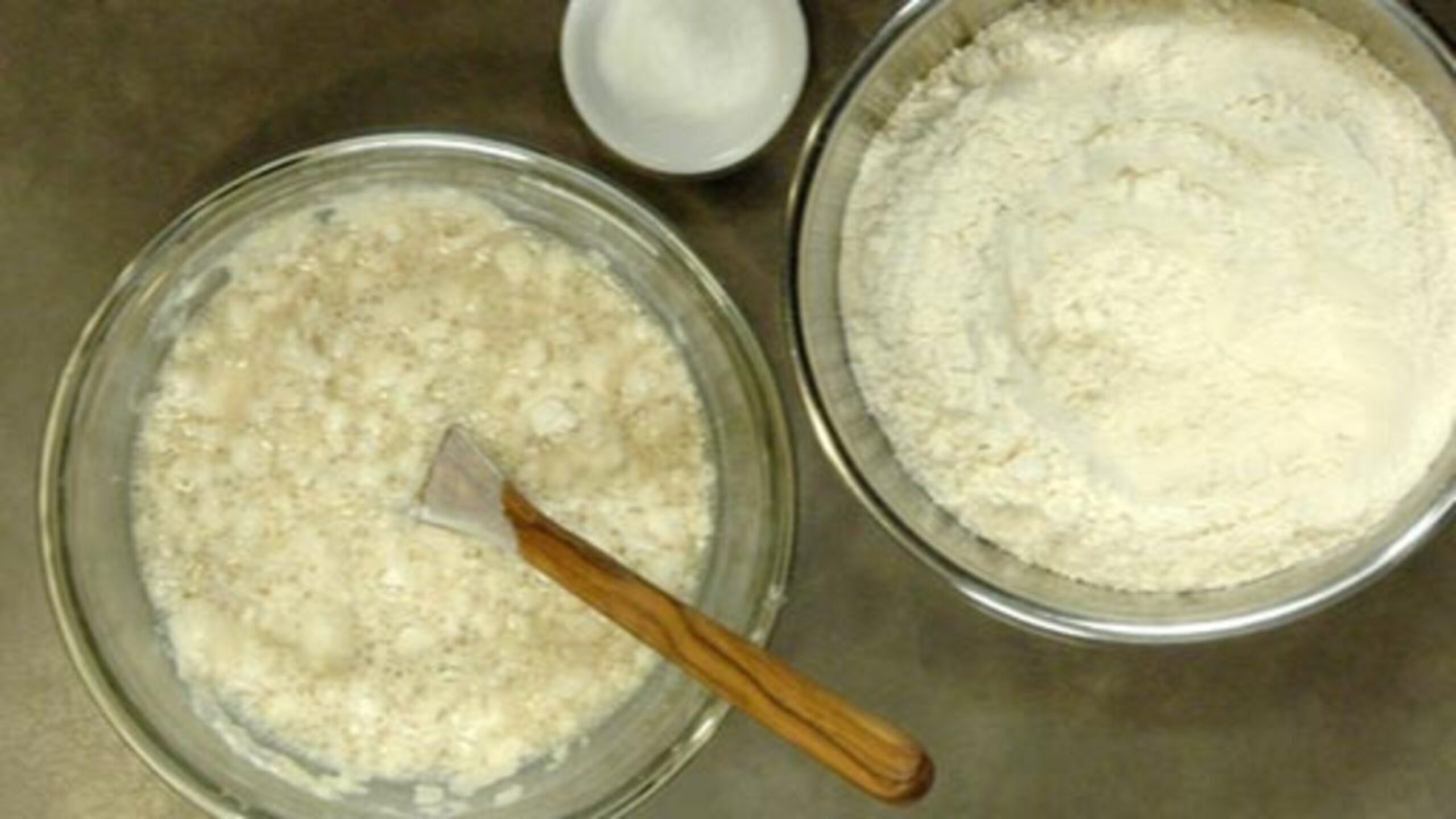
To mix the dough, add the oil and sugar to the yeast mixture and stir to combine. Next, add approximately half of the flour. Stir to incorporate. Add the salt and stir again.
At this point, add just enough flour to form a clay mass (or shaggy mass) about 5 cups worth in total. Stir to combine. Once the dough pulls away from the sides of the bowl, transfer it to a lightly-floured counter top.
Step 4: Kneading the Dough
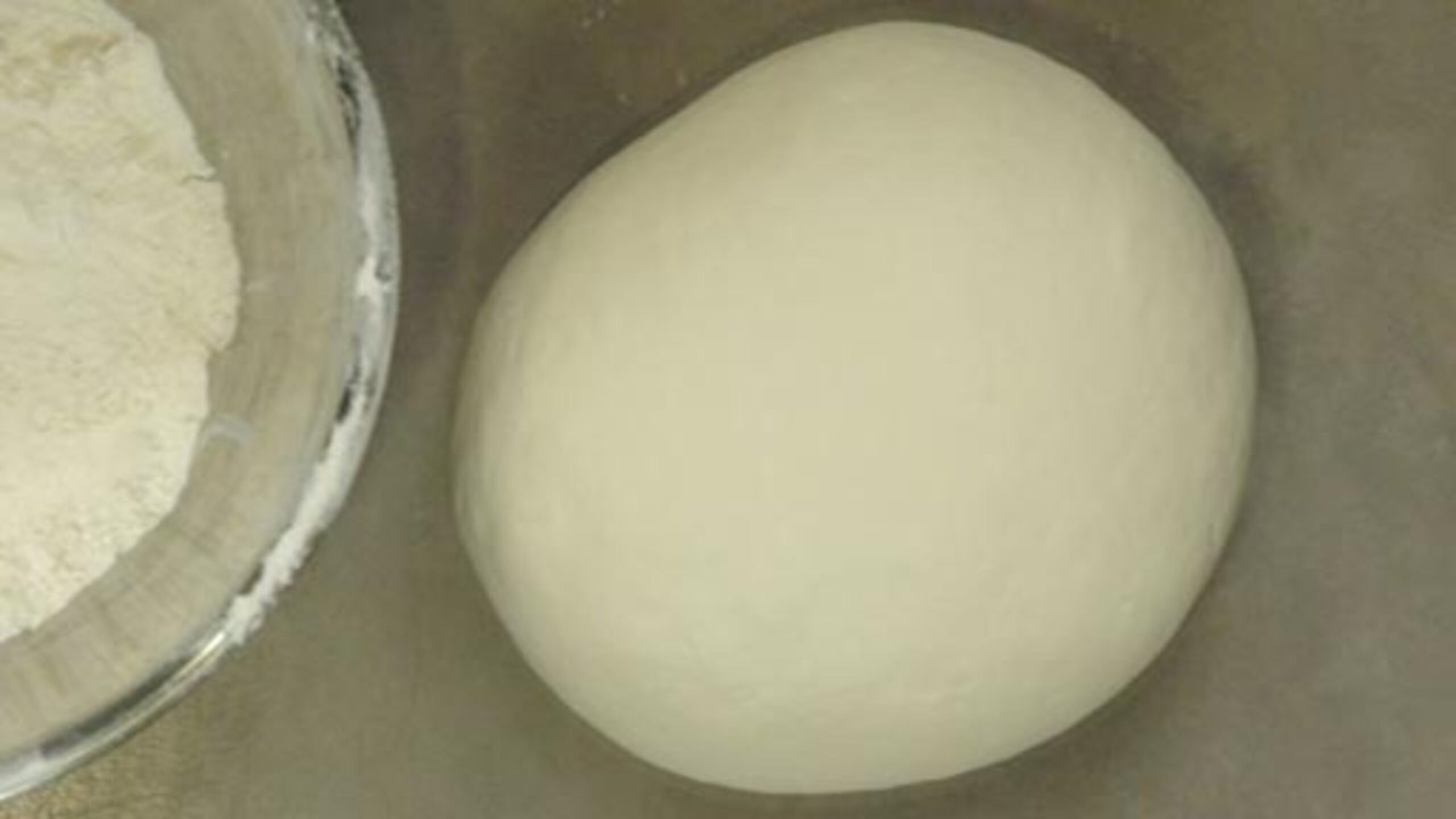
Knead the dough until it is soft and smooth, about 8 minutes or so. The dough will be sticky; it is easier to handle with a bench scraper or bowl scraper. Allow to rest for 5 minutes.
Gently shape the dough into a round. Allow to rest for 5 minutes.
Step 5: Incorporating the Cinnamon, Sugar & Nuts
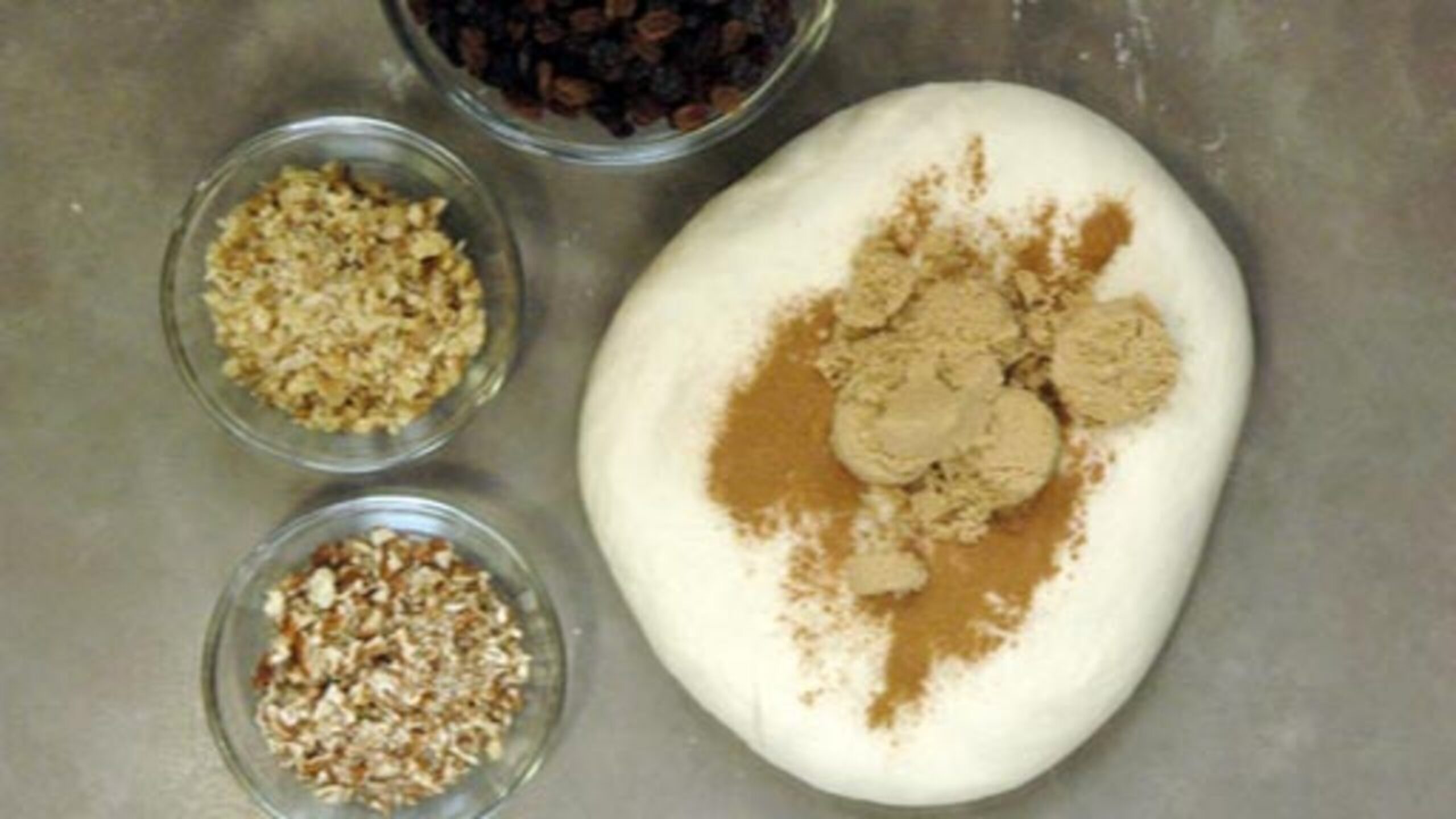
Flatten the dough slightly and add the cinnamon, brown sugar and nuts. Fold and continue to knead just until everything is incorporated. Lightly dust the counter and dough as needed, but only if the dough is overly sticky.
You may find it easier to add the nuts in a couple of stages, as they tend to fall out as you knead. Don’t worry, just keep kneading until they are somewhat evenly distributed.
Allow to rest for 5 minutes.
Step 6: Incorporating the Raisins
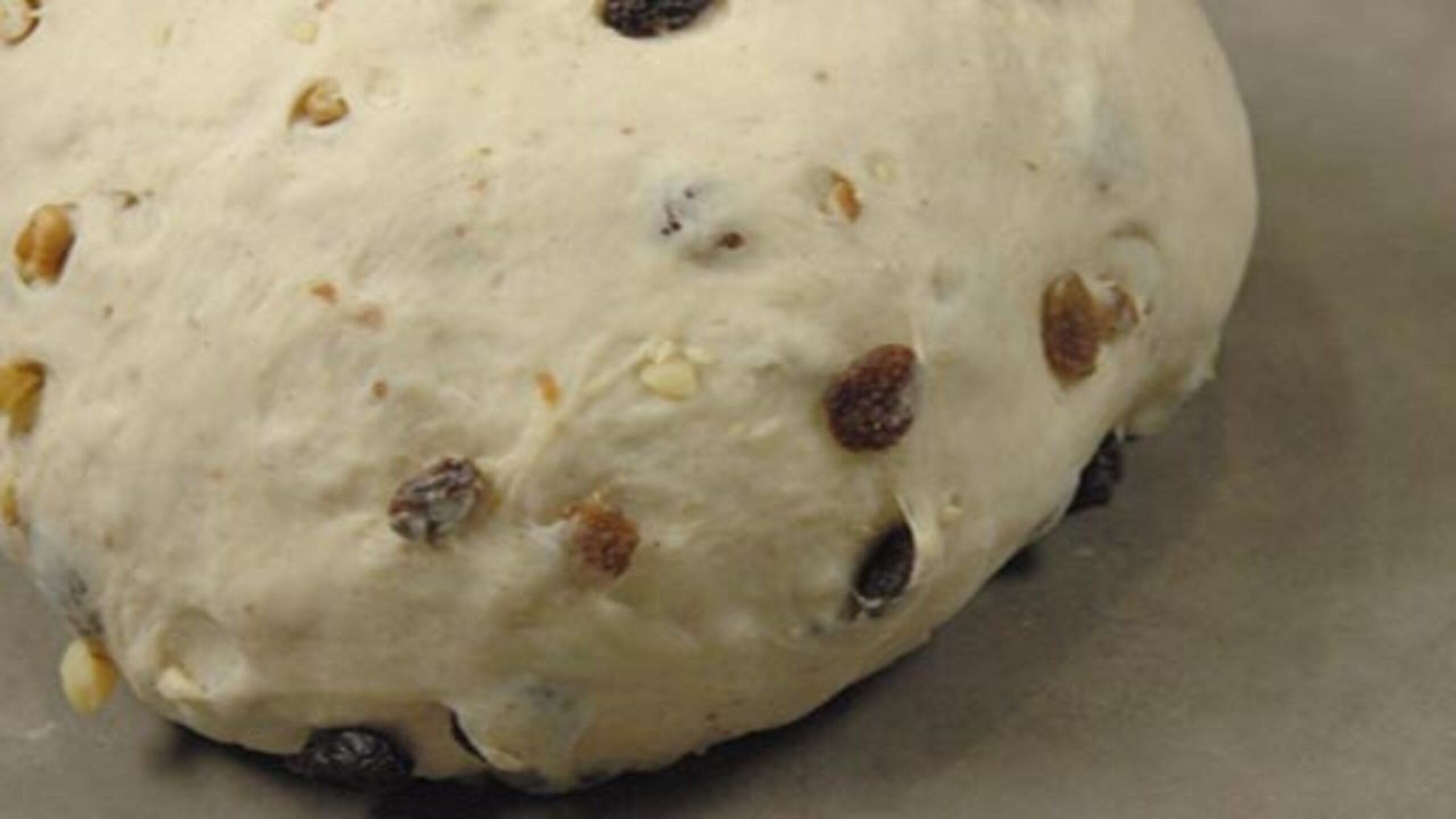
Flatten the dough slightly and knead the raisins into the dough, working in batches if needed. Some of the raisins and nuts may fall out but, again, don’t worry. Just press them in at the end. Form into a round.
Step 7: Fermenting the Dough Overnight
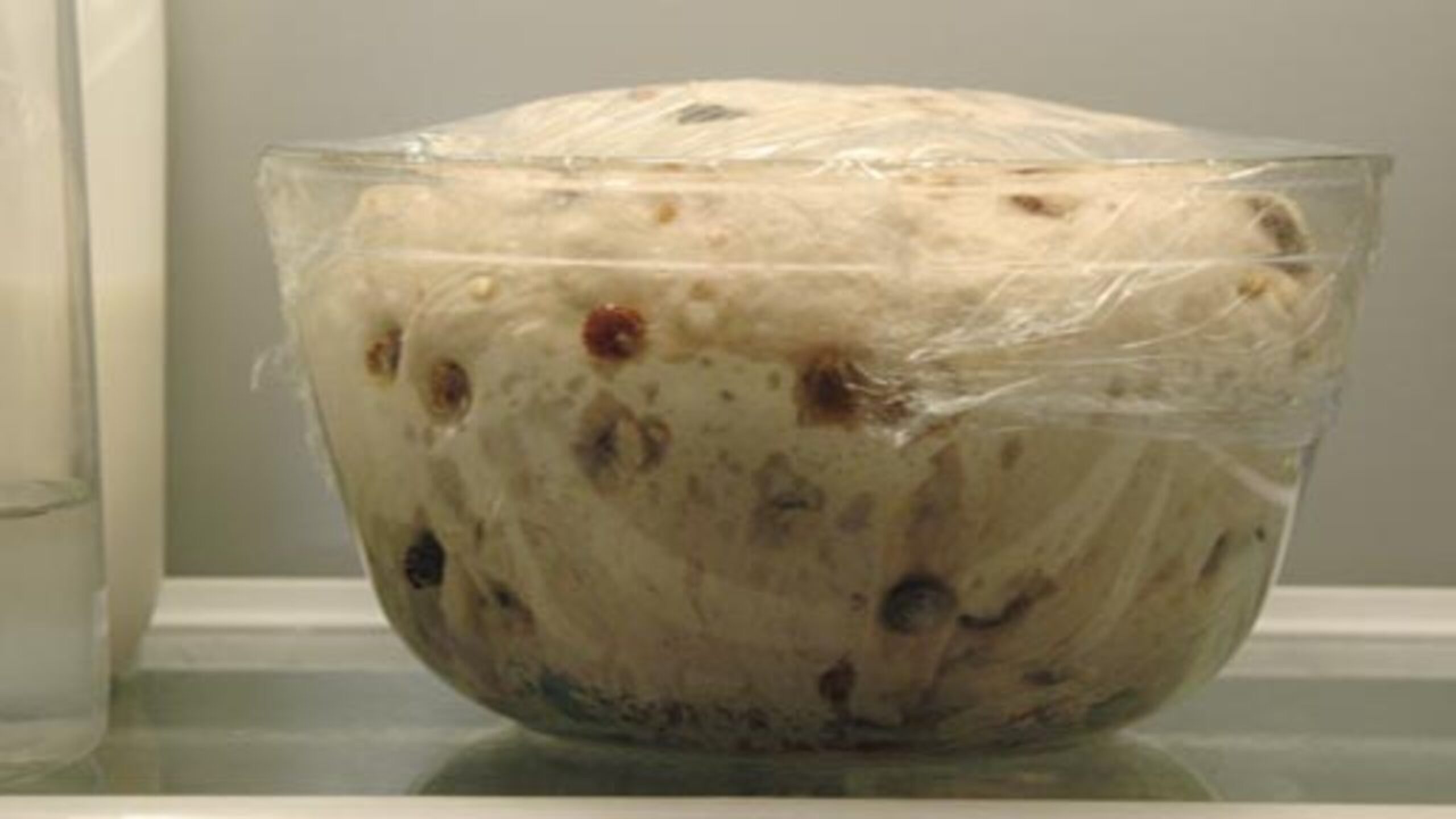
Brush a large bowl lightly with oil. Make sure the bowl is large enough for the dough to at least double in volume as it ferments. Place the dough into the bowl; turn to coat with the oil.
Cover the bowl with plastic wrap and let it ferment in the refrigerator overnight.
Step 8: Shaping the Dough
Line a large baking sheet with parchment.
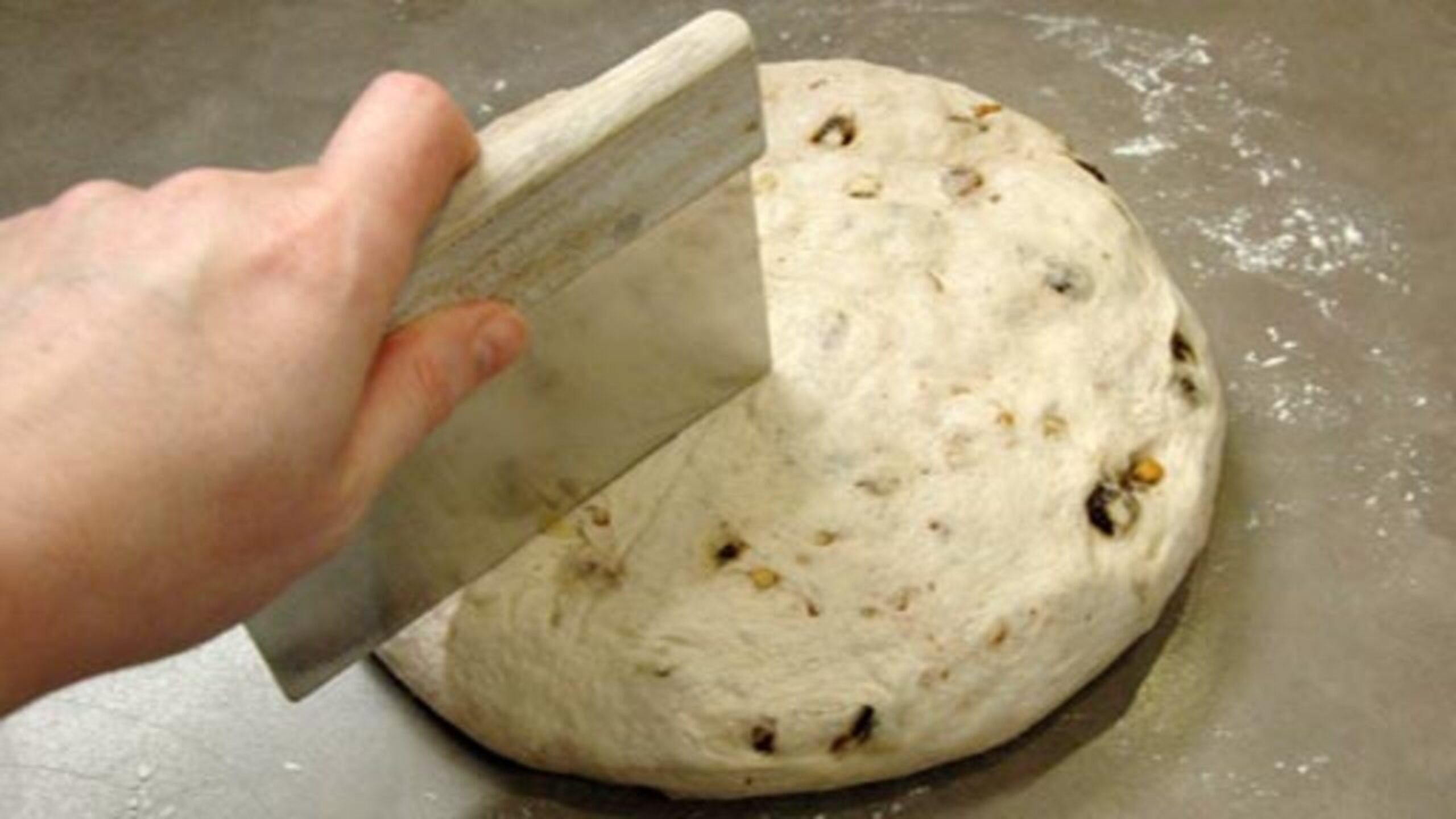
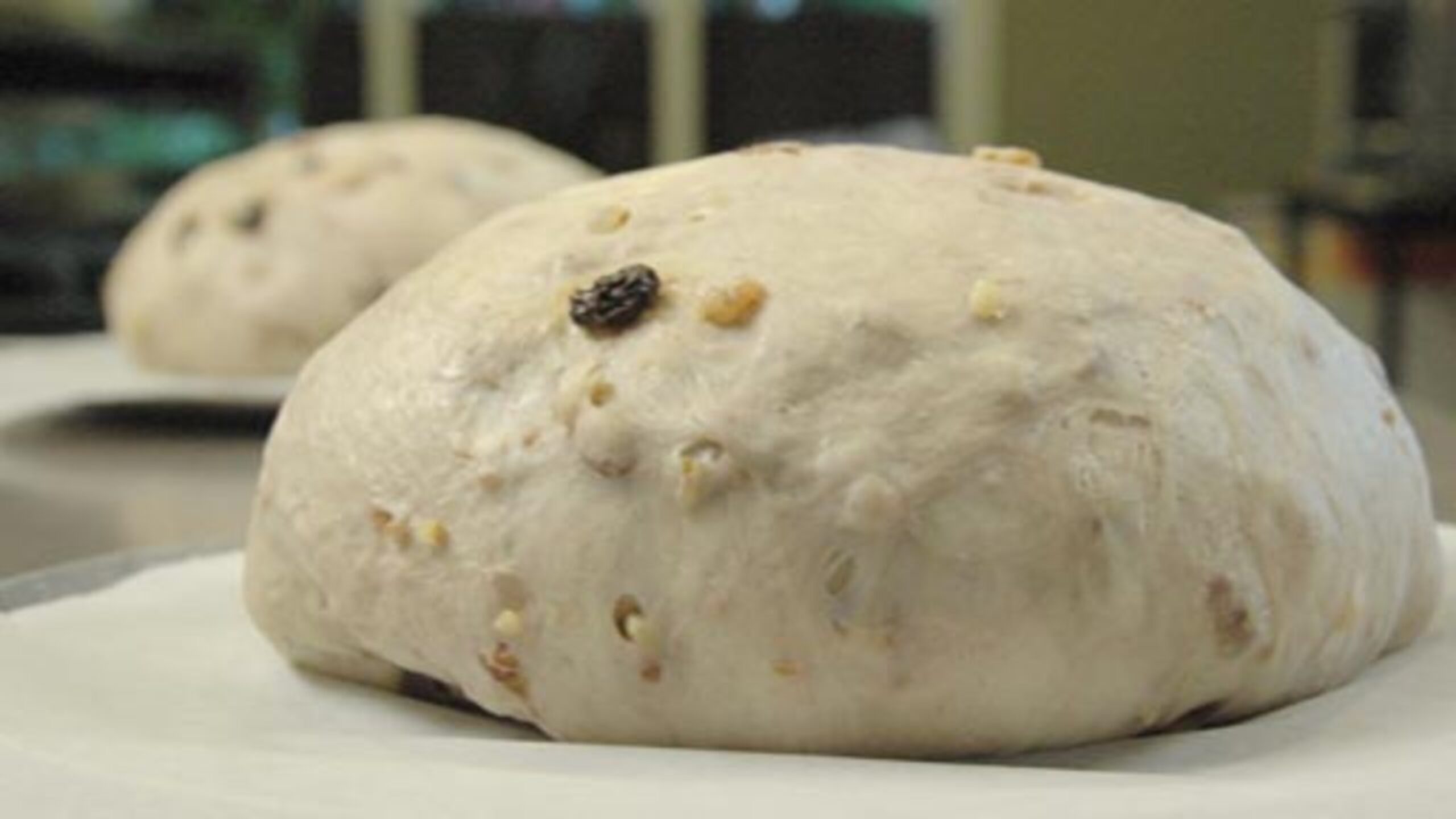
Gently remove the dough from the bowl and flatten slightly with your hands. Divide the dough into 2 equal portions. Form each piece into about a 6-inch round. Place the dough balls onto the baking sheet making sure there is enough room between them for the dough to rise again.
Step 9: Proofing the Dough
Cover the dough and let rise in a warm, draft-free place until doubled in size, about 2 hours.
Step 10: Baking the Bread
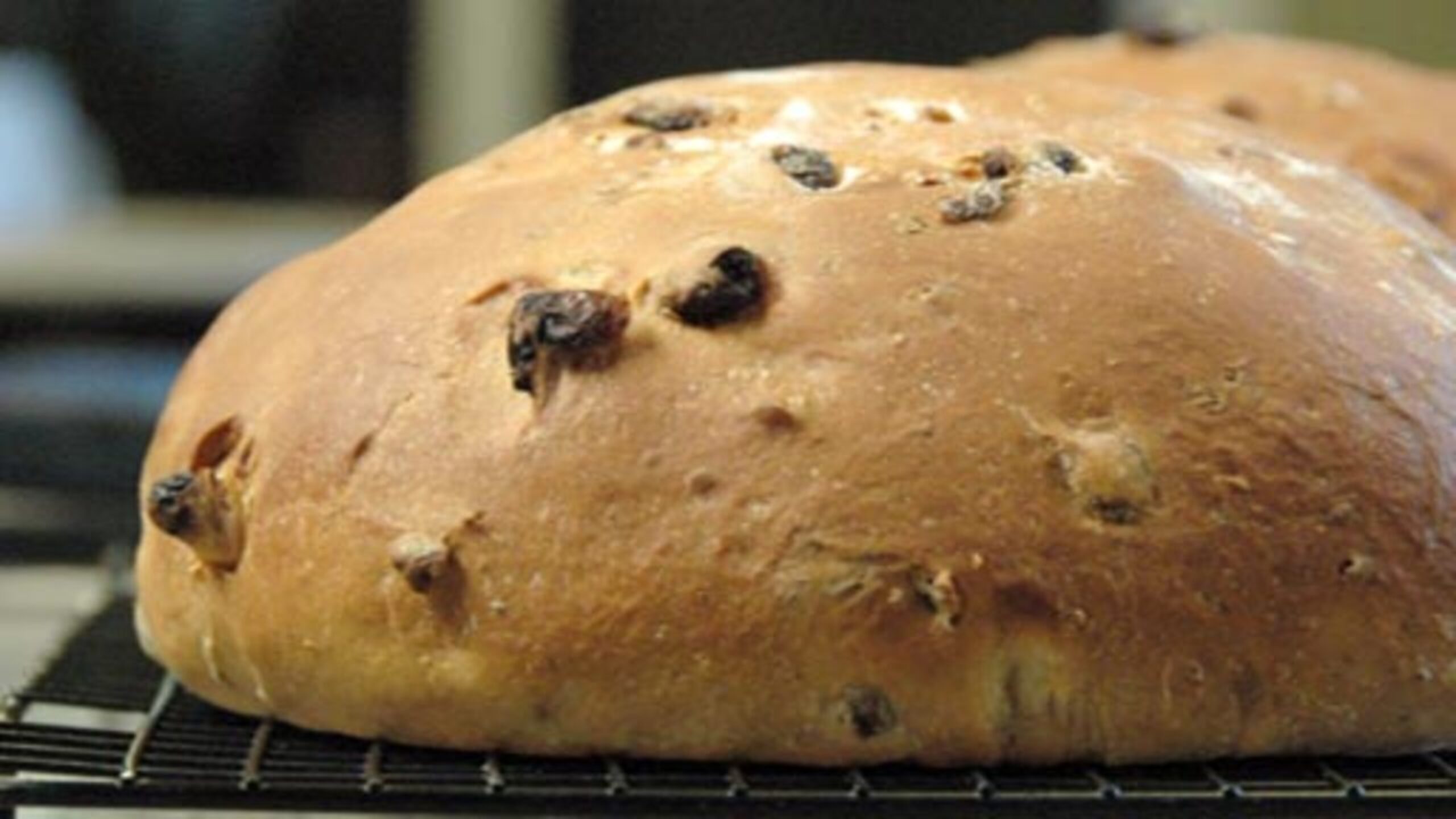
Preheat the oven to 350°F (175°C). Bake the bread for about 45 minutes, or until golden brown. When done, the bottom of the bread should sound hollow when tapped. The internal temperature should reach 180°F (82°C).
Transfer the bread to a cooling rack and let cool completely before slicing.