
Chef's Notes
Some ferments can take longer to initiate, especially ferments with more volume, higher specific salinity and lower room temperature (e.g. in a 55°F/12°C basement vs. a 70°F/21°C apartment).
The longer the ferment, the tangier and more “bioactive” the mixture will become. Once you refrigerate it, the fermentation process will slow dramatically.
Step 1: Preparing & Fermenting the Kraut
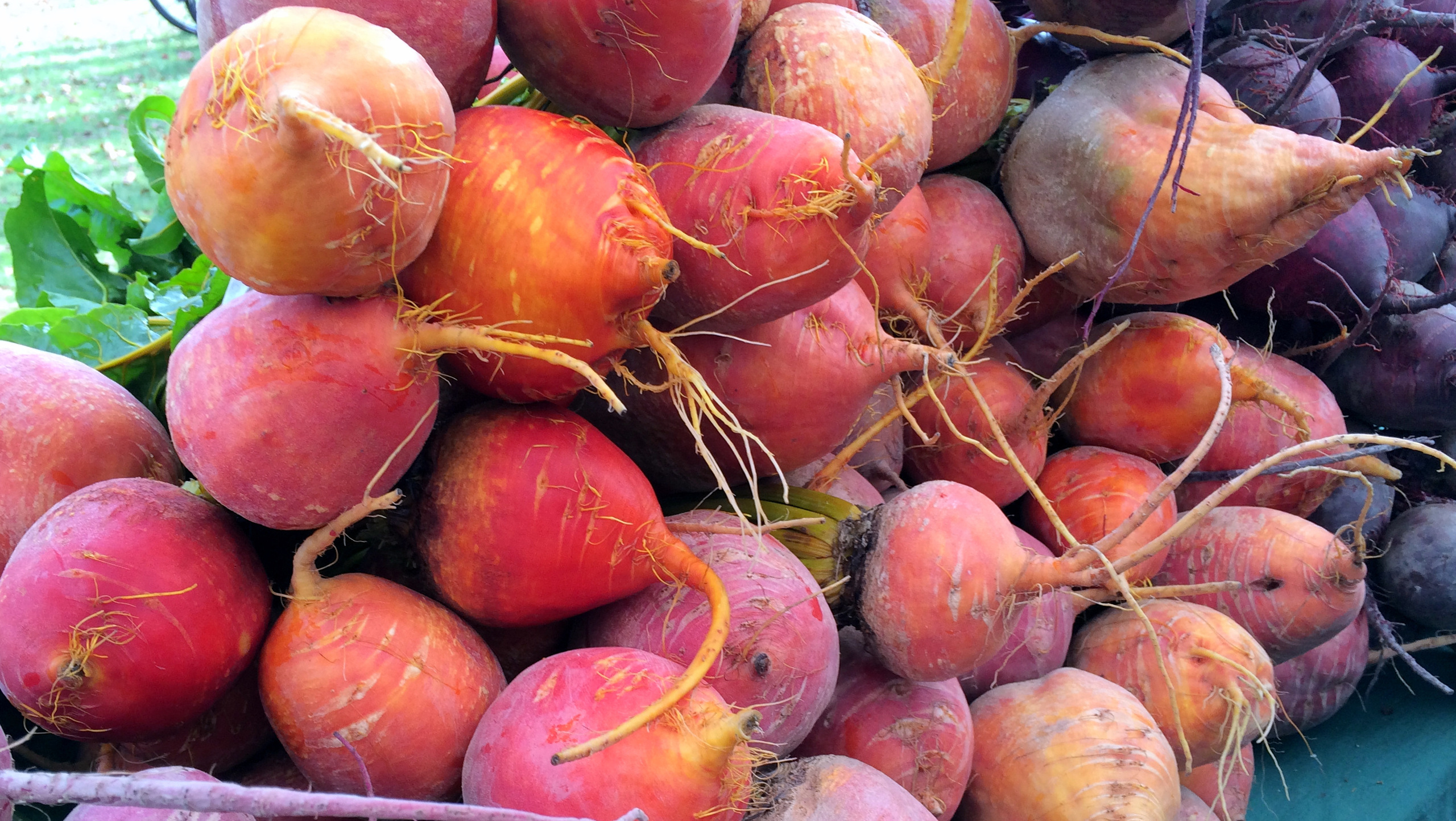
- 3 to 4 golden beets (approx. 1 lb), peeled and thinly sliced or in matchsticks
- 1 tsp fresh dill, chopped
- 1 1/2 tsp sea salt
- additional Brine Solution (if needed)
Combine beets with dill and salt in a bowl and stir. The salt will help the beets soften and begin to create the brine liquid.
Next, pack the beet mixture into a pint container and weight it to submerge the beets in the brine liquid. If needed, add a bit more Brine Solution so that the beets will be completely submerged.
Leave the beets out, at room temperature, for 4 to 7 days, or until it begins to produce tiny carbon dioxide bubbles. This is an indicator that the fermentation process has begun. Taste it. It should be a bit sour or tangy.
If there is any scum or mold (called “bloom”), simply skim it off the top – this is very normal and only indicative of surface mold and not contamination.
At this point, seal the container, label and date it and refrigerate. Many krauts can keep six months or more if kept well refrigerated.