Chef's Notes
Brown butter can be stored in the refrigerator in an airtight container for a few weeks.
Step 1: Making the Butternut Squash Purée
- 3/4 lb butternut squash
- 2 garlic cloves
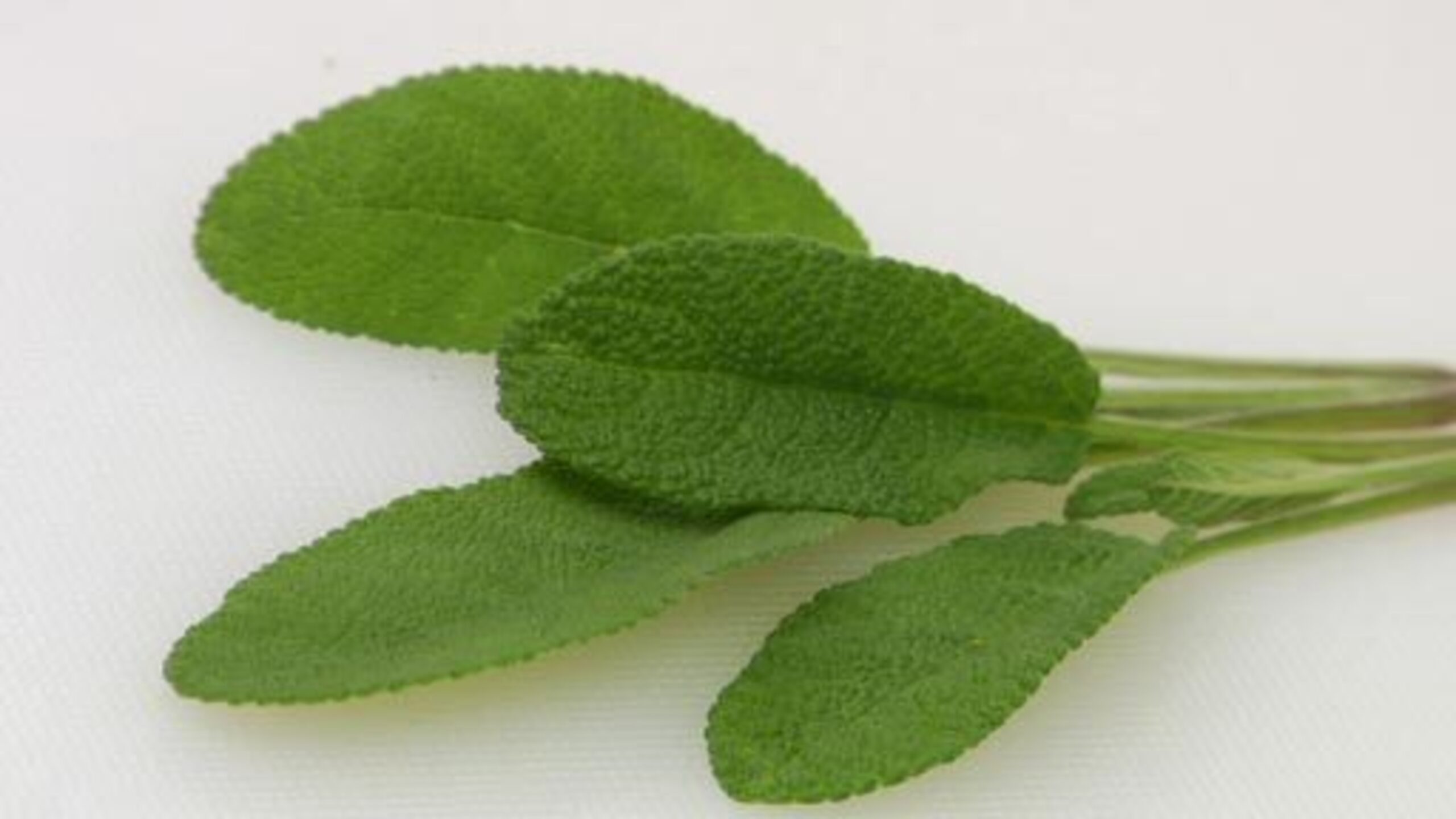
- 4 large sage leaves
- 2 tbsp non-dairy butter
- 3/4 cup stock (approx.)
- sea salt, to taste
First preheat your oven to 475°F (245°C).
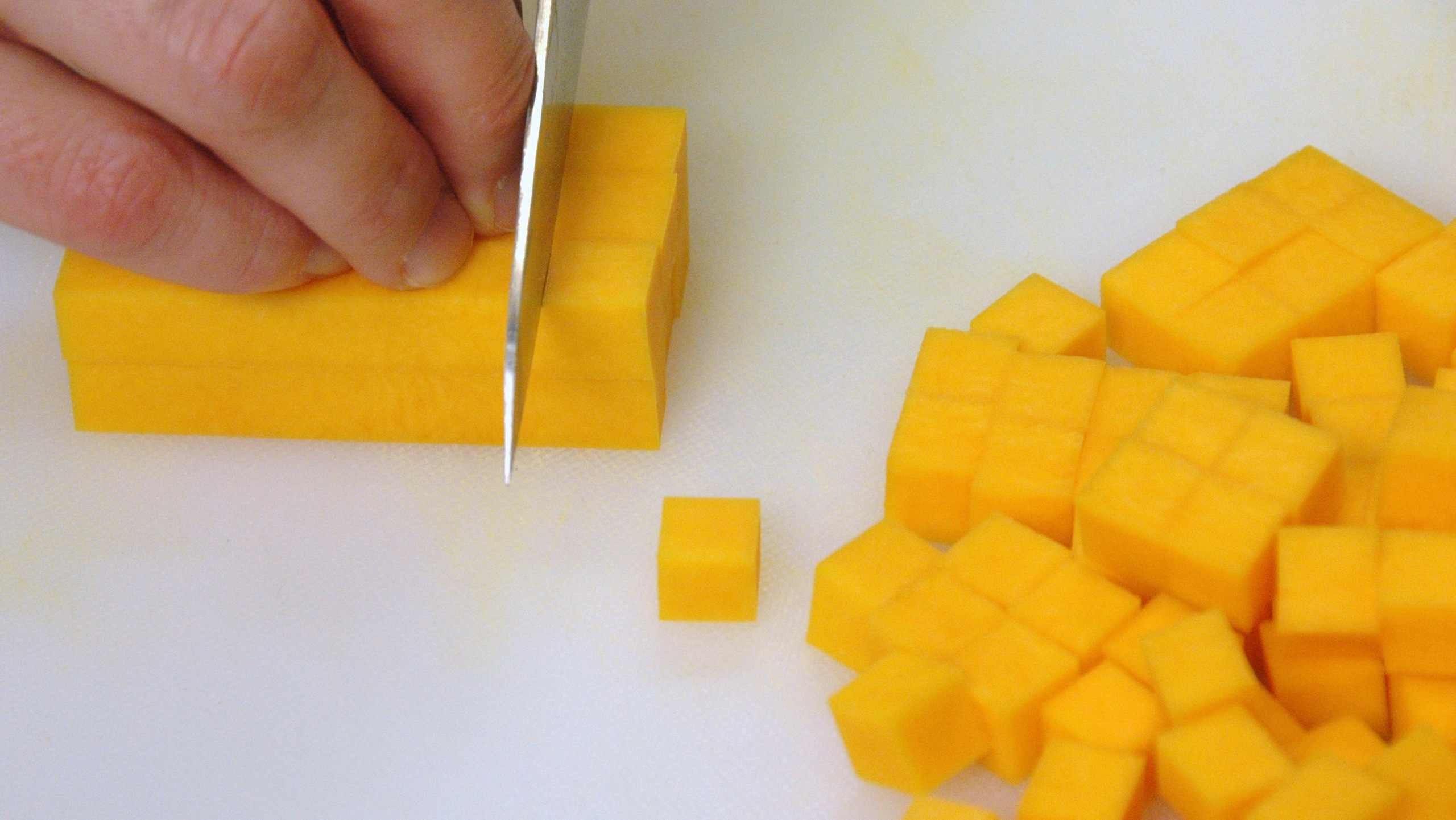
To prepare the purée, first wash and peel the squash. Cut the squash into approx. 3/4" -inch cubes. Peel the garlic.
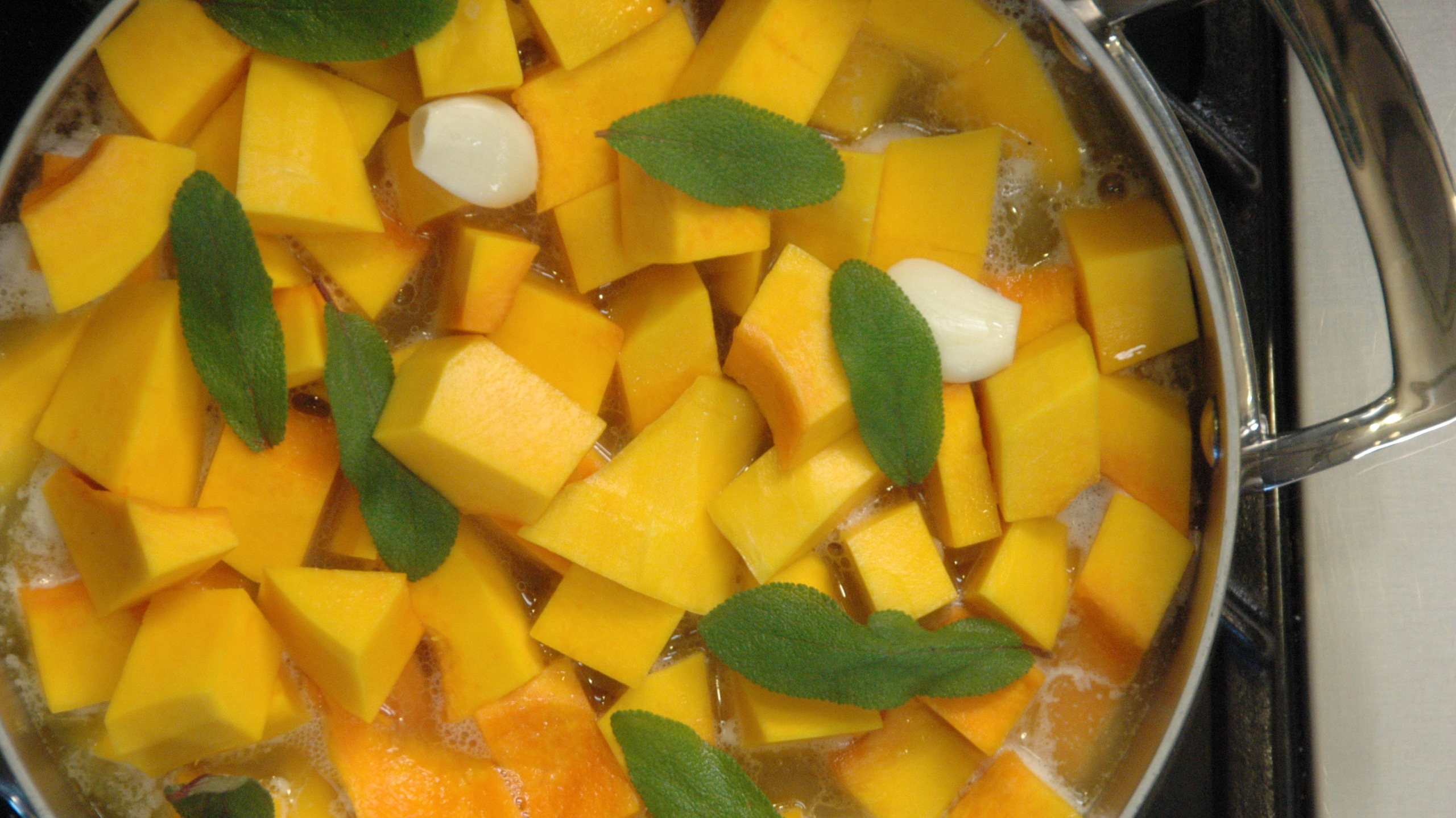
In a large pan, melt the non-dairy butter over medium heat. Add the squash, the whole garlic cloves and the sage leaves. Add the stock and season liberally with salt. Bring the squash to a gentle simmer. Loosely cover just the top of the squash with a piece of vented foil. Simmer gently until the squash is completely fork tender.
While you are waiting for the squash to cook, jump to Step 2 to prepare the rest of the squash.
Once the squash is tender, remove the sage leaves and discard. Transfer the squash mixture to a blender (you may have to do this in batches) and puree until completely smooth, about 2 minutes. Make sure to hold the lid with a cloth to ensure the top does not explode from the heat of the mixture.
Taste the puree for seasoning. Transfer to a small pot and keep warm.
Step 2: Roasting the Butternut Squash
- 1/2 lb butternut squash
- 1 to 2 tbsp extra-virgin olive oil
- sea salt, to taste
Cut the squash into 1/2" -inch cubes. Toss with the oil and season to taste with salt.
Place onto a parchment-lined baking sheet and roast in the oven for approximately 5 to 10 minutes or until golden brown.
Once done, remove from the tray and set aside.
Step 3: Frying the Sage Leaves
- 1/4 cup fresh sage leaves*
- 1/2 cup grapeseed oil
*Note: Try to use the smaller sage leaves for frying and reserve the larger leaves for the Sage Brown Butter (next step).
To fry the sage leaves, place the oil into a small fry pan or pot and heat over medium heat.
Make sure the leaves are clean and thoroughly dry.
Once the oil is between 275° to 300ºF (or 135° to 150ºC), fry the sage leaves. Using a slotted spoon, lower the leaves into the oil. Be careful of any splattering oil. Fry them for about 5 to 10 seconds or so, just until they become even in color. Transfer to a plate lined with paper towel to drain. Set aside.
Step 4: Making the Sage Brown Butter
- 1/2 cup non-diary butter
- 10 to 15 sage leaves
To make the sage brown butter, place the non-dairy butter into a small, stainless-steel fry pan over medium heat.
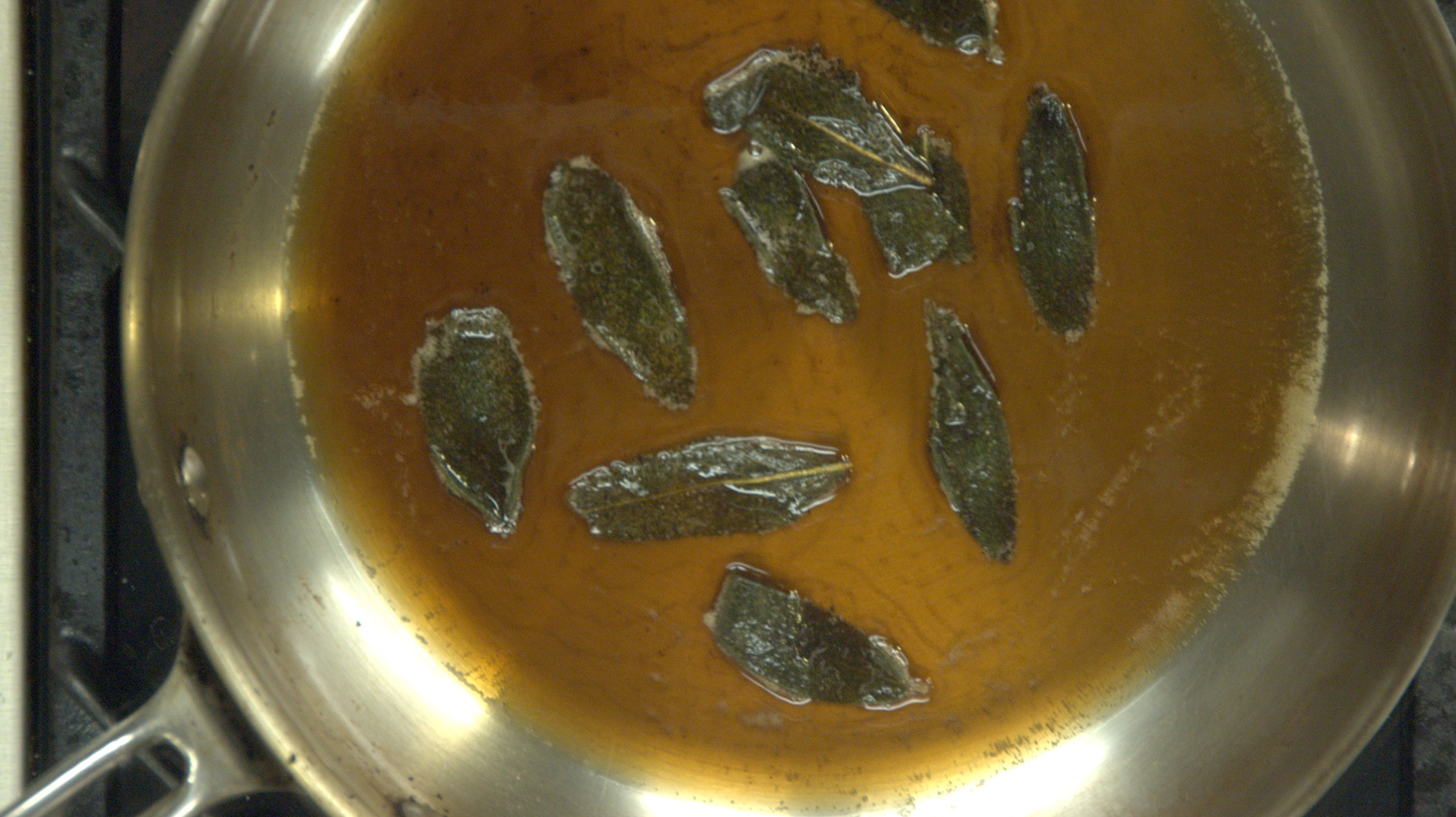
Stir occasionally to make sure that the non-dairy butter does not burn. As you stir, the butter may start to foam. Continue to cook until the butter browns evenly.
The non-dairy butter will likely turn quite dark but just pay attention to the color of the butter to ensure it does not burn. You are looking for a nice rich golden color.
Once done, add the sage leaves and remove the butter from the heat. You may need to transfer the butter to another pot to stop the cooking process.
Once the butter has cooled slightly, remove the sage leaves. Strain the butter through cheesecloth several times to get rid of any brown specks.
The butter can be stored in a small squeeze bottle and warmed just before use. Alternatively, place it into a bowl and set it aside for now. See note below on storing leftover butter.
Step 5: Preparing Your Mise en Place
- 2 1/2 cups stock
- 2 1/2 cups water
- 1/2 tsp sea salt (or to taste)
- 1/2 cup onions
- 2 cloves garlic
- 1 cup risotto rice (see note)
- 2 tbsp extra-virgin olive oil
- 1/4 cup white wine or vermouth
- 2 cups arugula
Note: For the liquid, use a combination of 1/2 water and 1/2 stock so you don’t over power the flavor of the puree. Always keep in mind that more or less liquid may be needed to cook this dish. It’s always better to have too much than not enough.
To prepare your mise en place, place the liquid into a pot, season with the salt (if needed) and bring to a boil. Once boiling, reduce the heat to low and keep hot.
In the meantime, finely dice the onions and garlic.
Note: For this dish, it is important to use rice that is suitable for risotto.
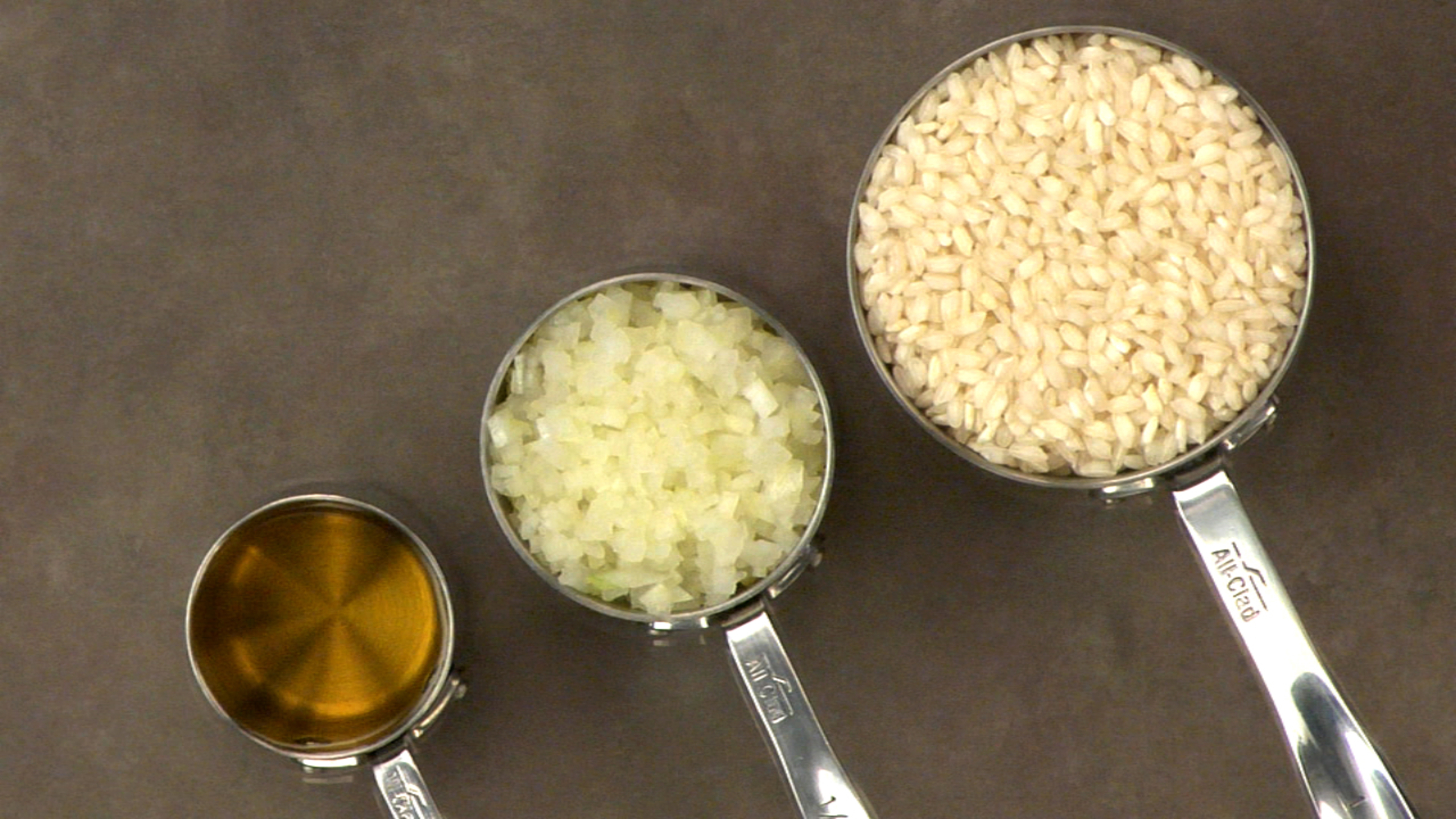
Measure out the rice, olive oil and white wine. Wash and spin dry the arugula. Set aside.
Step 6: Starting the Risotto
Place the oil into a large, heavy-bottomed pan and heat over medium to medium-low heat.
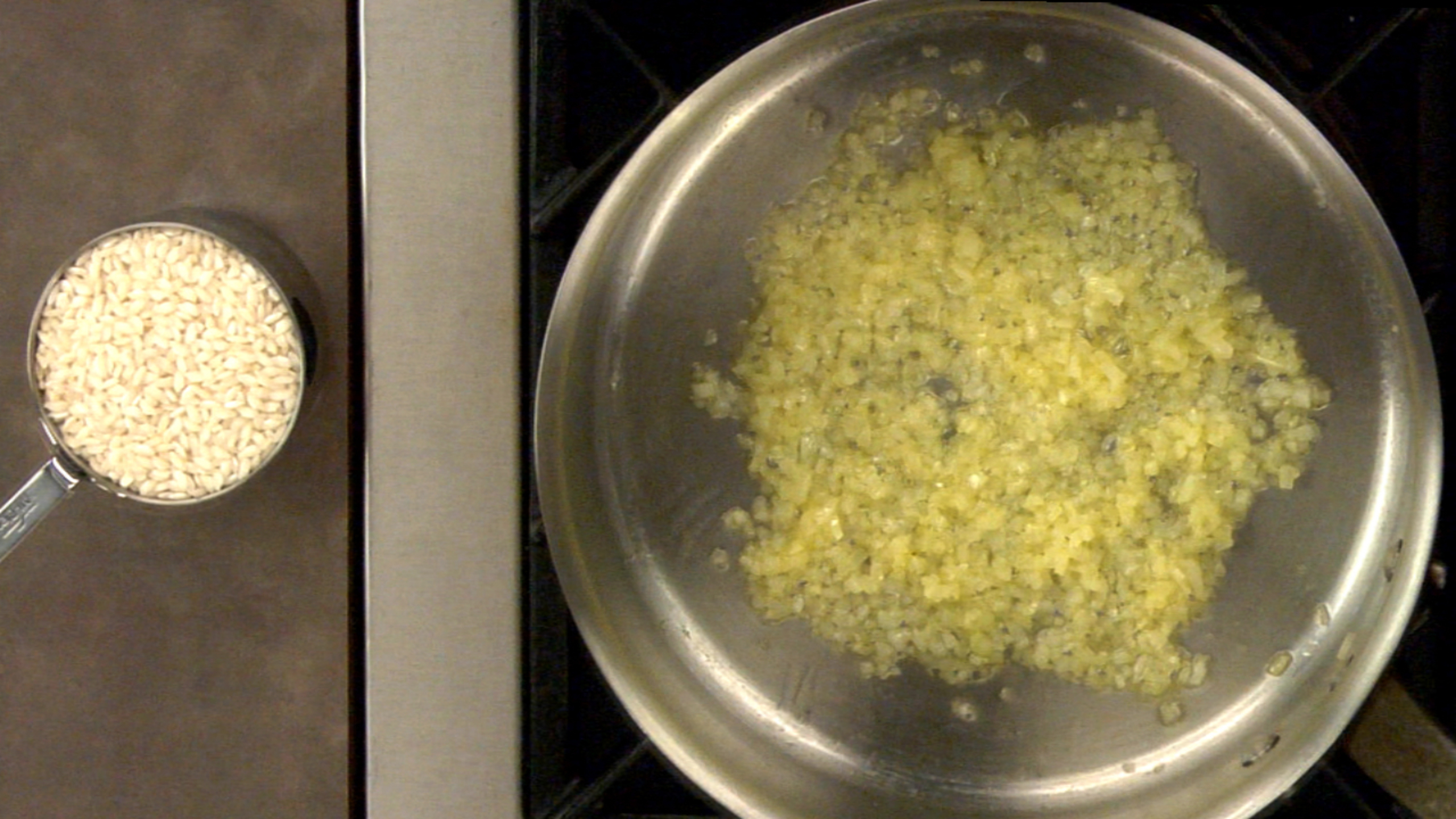
Add the onions and a pinch of salt and sweat until soft and translucent, about 10 to 15 minutes. Next, add 1/4 cup of the hot cooking liquid to soften the onions further. Let the cooking liquid completely evaporate before moving onto the next step.
Step 7: Toasting the Rice & Deglazing
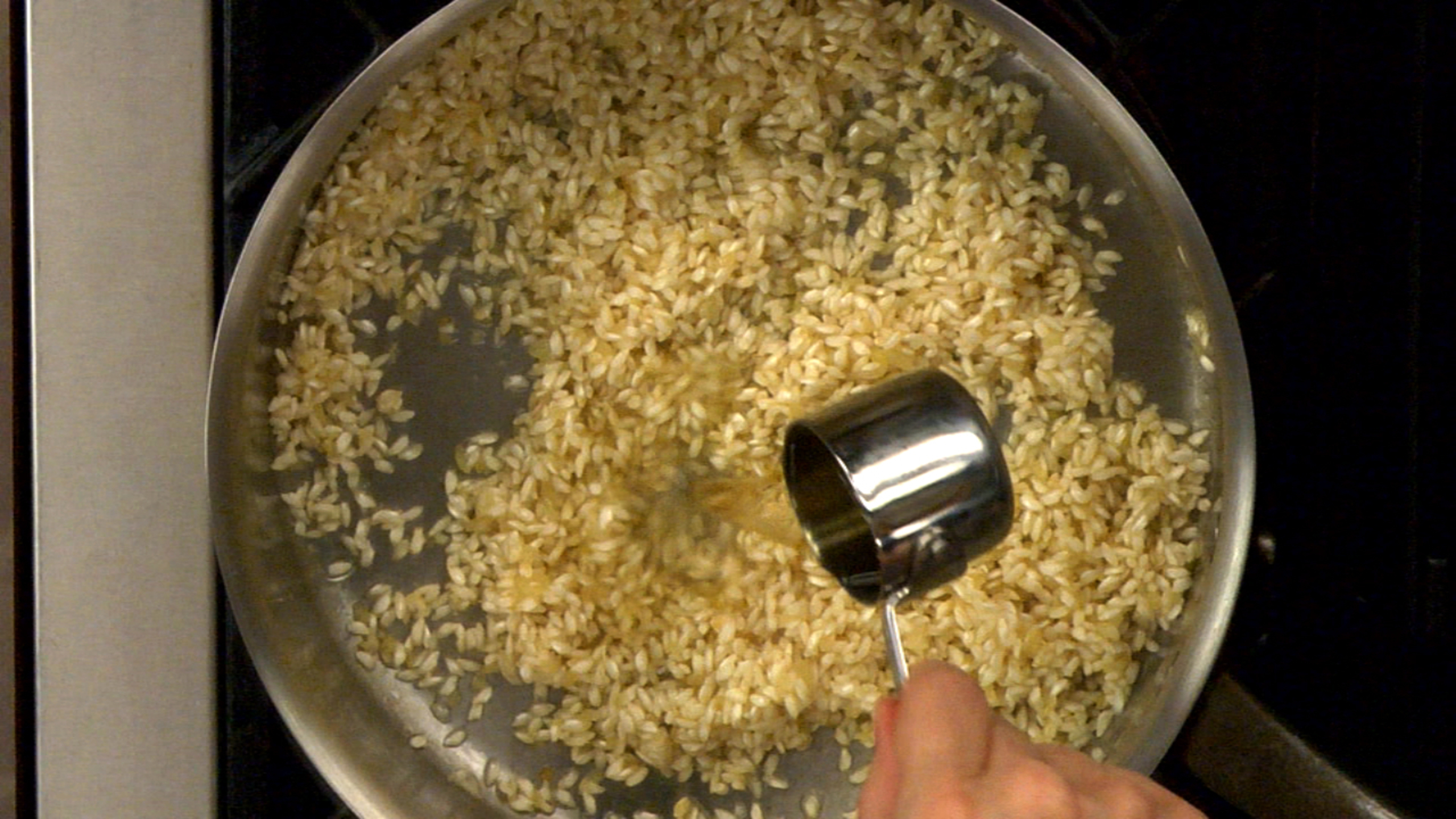
Once the liquid has completely evaporated, turn the heat up to medium-high and add the rice all at once. Stir to coat the rice in the hot fat. Monitor the heat so the aromatics do not burn. Toast the rice for a few minutes until the perimeter of the grains are translucent.
Once toasted, add the garlic and cook, stirring just until the garlic is fragrant, about 30 seconds. Deglaze with the wine. Stir the rice until the wine evaporates.
Step 8: Cooking the Risotto
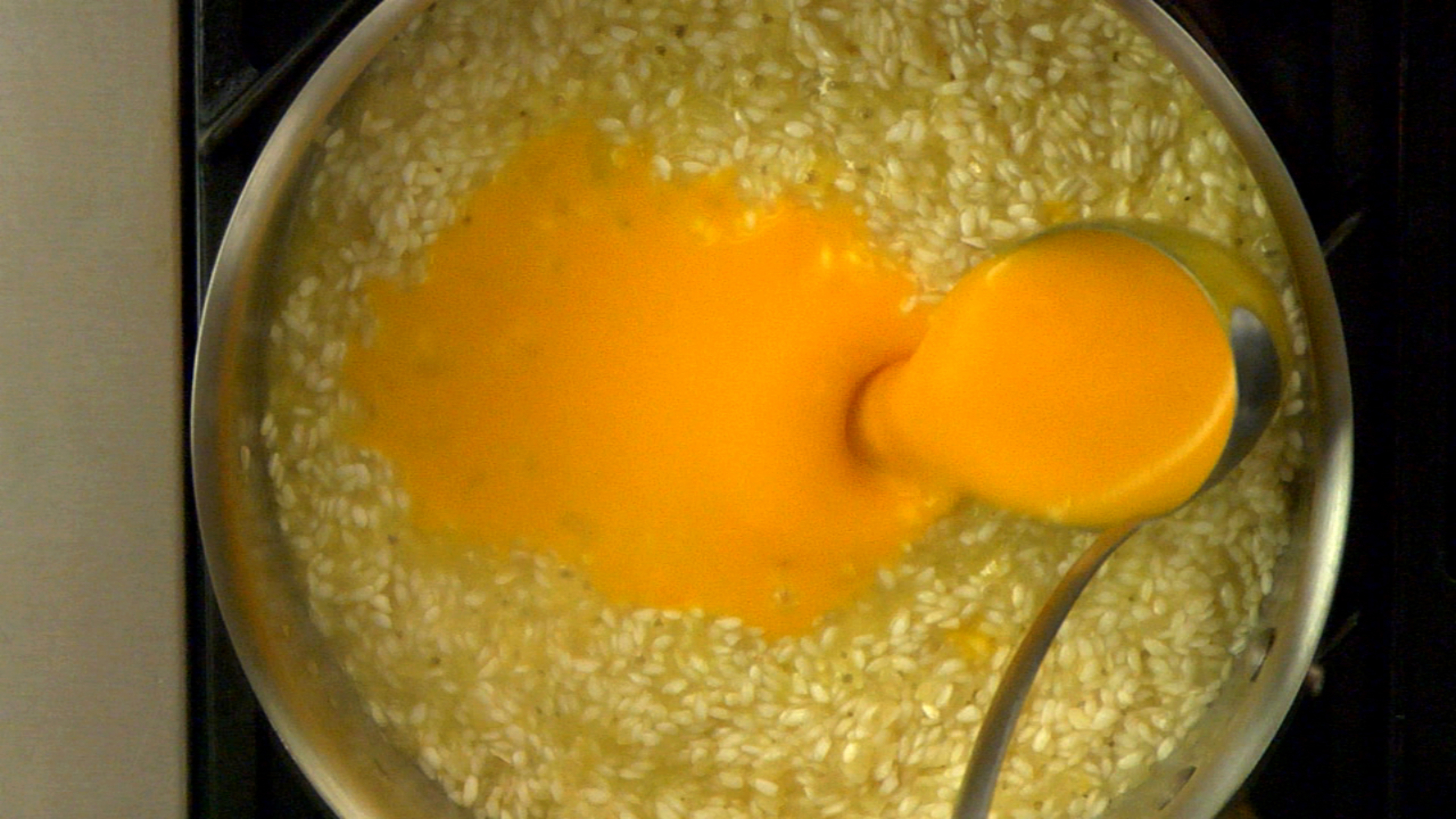
Once the wine has evaporated, add one cup of the hot liquid. Stir often to coax the starches out of the rice. Once almost absorbed, add 1 to 2 cups of the warm butternut squash puree and continue to stir. Once the puree thickens and reduces, go back to adding the hot cooking liquid. Add the next cup of liquid only when the last cup has been absorbed by the rice. Stir frequently. During the cooking process, make sure to adjust the heat so the liquid is always gently boiling.
Continue to add liquid and cook the risotto until it reaches the al dente stage (or until it is done to your liking). Start tasting the rice for doneness around the 15 minute mark.
Note: Any leftover butternut squash puree can be frozen and used another time.
Step 9: Finishing the Risotto
- 1 to 2 tbsp butter (non-dairy) or olive oil
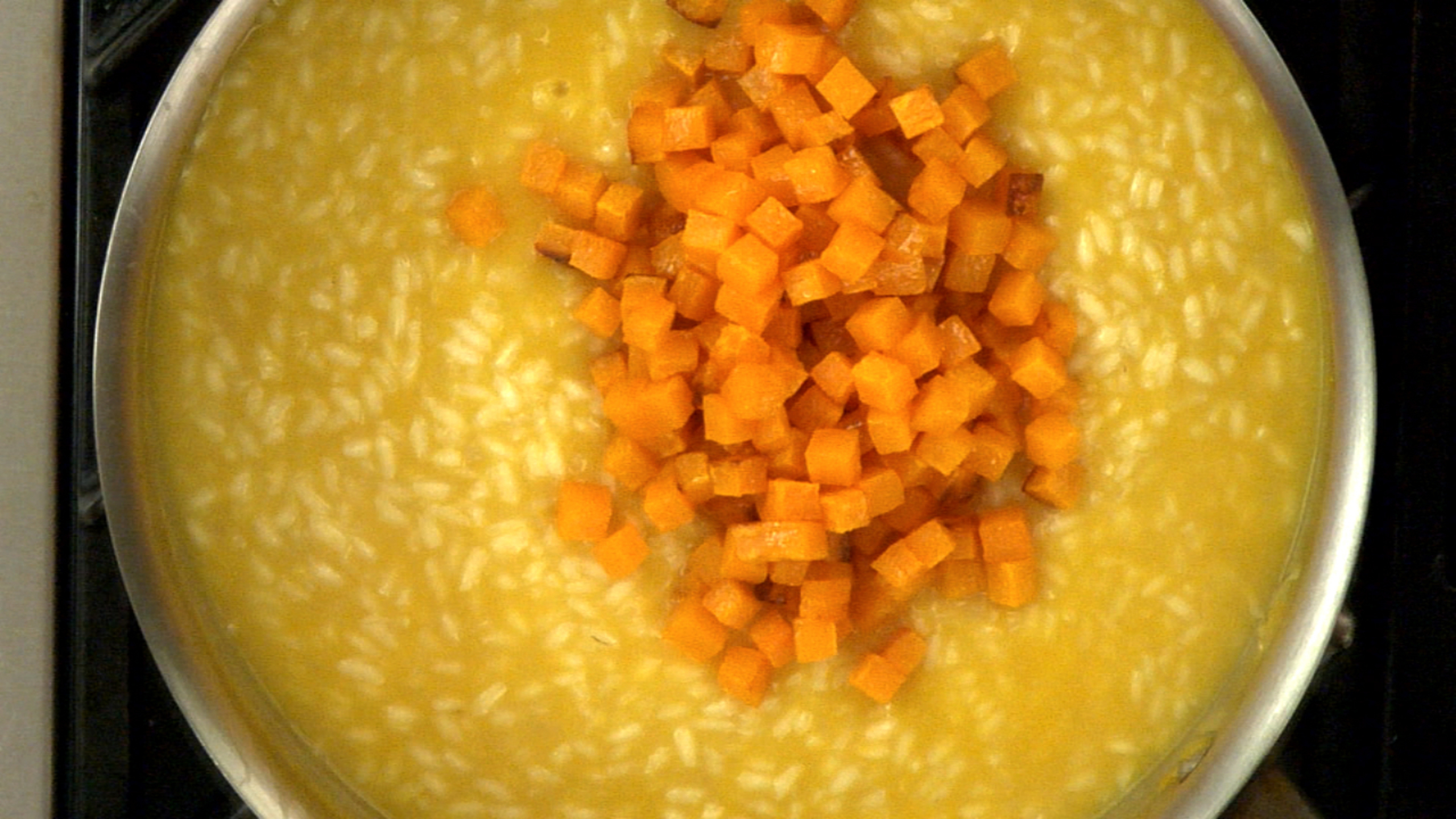
Once the risotto has been cooked to your liking, taste it for seasoning. Stir in the butter (or olive oil). Fold in the roasted butternut squash and arugula. Cover and let rest for 1 to 2 minutes.
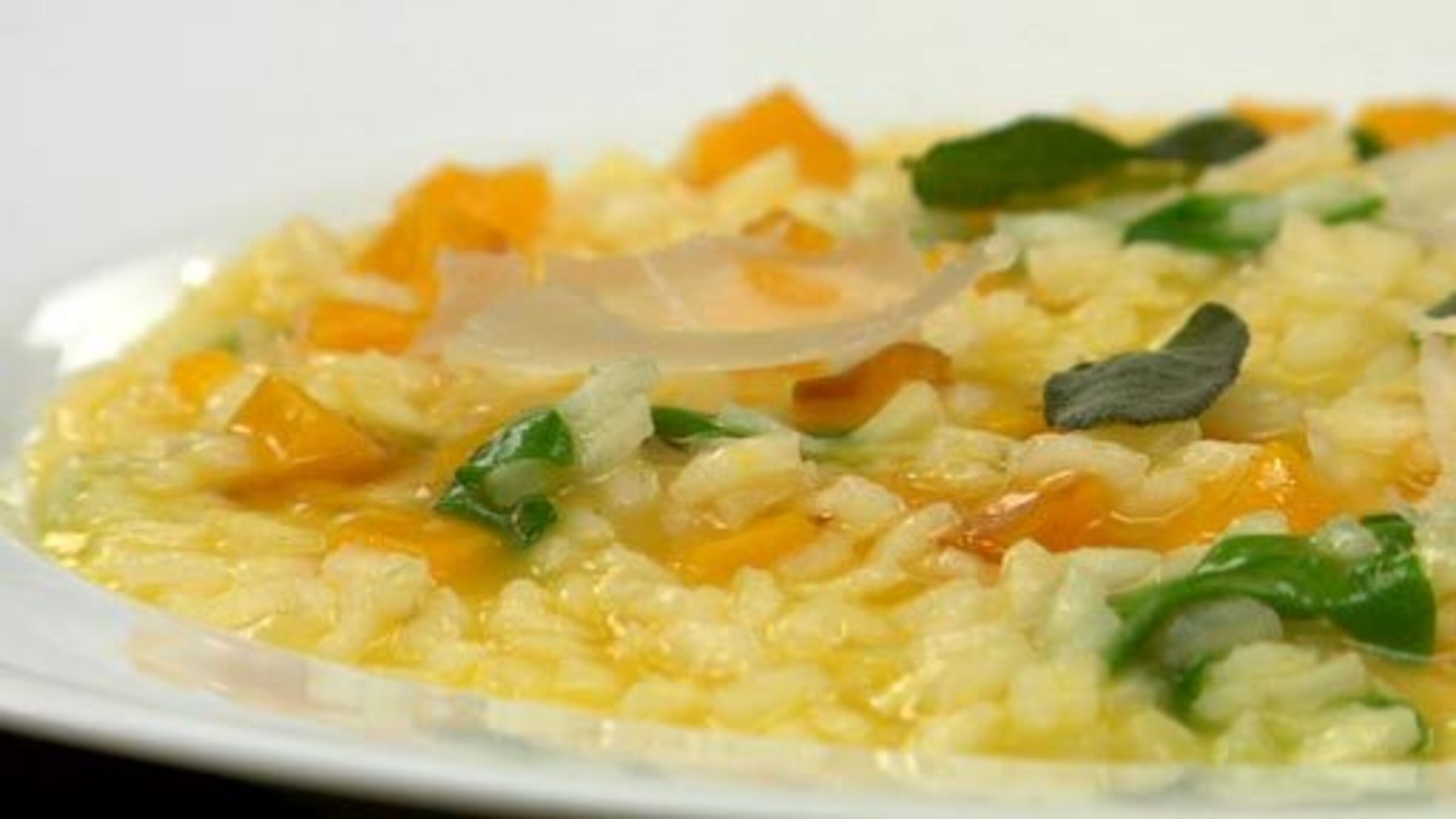
Just before serving, add a bit of hot liquid to loosen the consistency, if necessary. Plate on warmed dishes. Top with parmesan shavings, fried sage leaves and a drizzle of warm sage brown butter. If desired, garnish with Walnut Parmesan and serve immediately.